.avif)

Back

10
min read -
December 18, 2025
Common Retail Loss Prevention Blind Spots
By
Amir Anvarizadeh
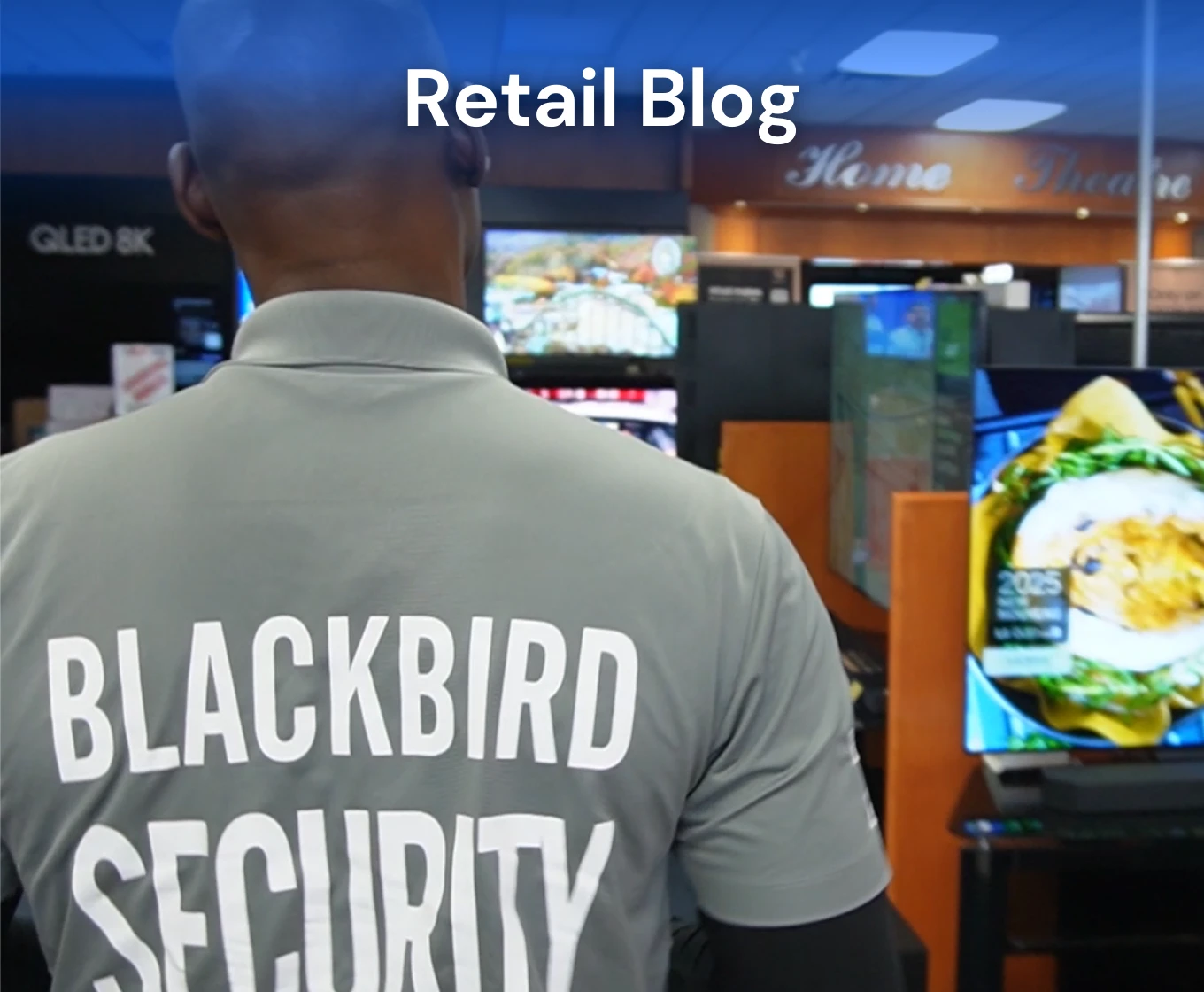
Are you aware of your store’s loss prevention blind spots? If you’re a store owner or manager, loss prevention and retail security are likely top priorities. If you’ve been following our retail security guide, you may have already implemented security measures in risk-prone areas, such as high-value merchandise displays, store entrances, and self-checkouts. But what about the areas you’re overlooking?
We’re here to help you identify the risks that might be flying under your radar. At Blackbird Security, we’ve helped business owners safeguard their profits for over a decade. We’ve seen where businesses tend to fall short in their retail security strategies. Today, we’re sharing our findings and the solutions we’ve seen our clients benefit from.
Key Takeaways:
-
Removing and minimizing blind spots is critical for effective loss prevention.
-
Staff training and communication are essential, but often overlooked.
-
Internal theft is difficult to detect, but can add up significantly over time.
-
Proactive security succeeds over reactive measures, preventing losses before they happen.
1. Temporary Displays
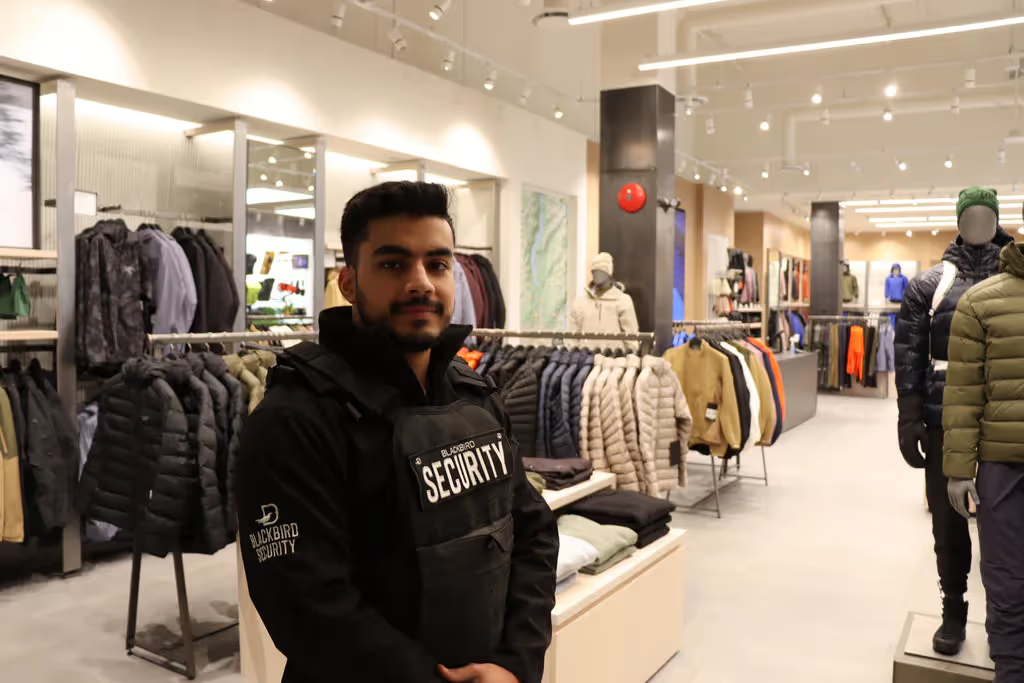
Temporary displays can cause vulnerability issues when they’re not placed strategically. Displays that are placed too close to store entrances can entice shoppers inside, but also create opportunities for grab-and-dash shoplifting. Additionally, they can also interrupt the sight lines of CCTV cameras and your store’s security personnel, creating areas where shoplifters may be able to conceal goods unnoticed.
Solution: Layout reviews and active monitoring.
Assign a store greeter or security guard to monitor displays at entrances and review your store layout before setting up temporary displays. For an even more proactive approach, measure the spaces where your team typically places temporary displays in advance. Determine the display dimensions that create blind spots, record your findings, and work within or around them. That way, you’ll know exactly how big a display can be before it creates a blind spot without having to check each new display.
2. Low-Visibility Areas
Do you know where your store’s low-visibility areas are located? Spaces that lack CCTV coverage or don’t have direct sightlines between staff or security and inventory can create opportunities for theft and concealment.
Solution: CCTV cameras, mirrors, and regular patrols.
Carefully review your store’s CCTV camera angles and mirror placements to ensure every corner is visible and recorded. If you identify any areas with limited visibility, schedule regular patrols by your security team to monitor for potential shoplifters.
3. Over-Reliance on CCTV Cameras
Is your store relying too heavily on security cameras alone? While CCTV cameras are essential for every store, they’re not a proactive way to prevent theft. Cameras provide valuable evidence for police and incident reporting to identify theft patterns and serve as a visible deterrent to shoplifting, but they can’t prevent theft on their own.
Solution: On-site security guards and LPOs
The most effective way to prevent shoplifting before it happens is through on-site security guards and undercover loss prevention operatives (LPOs). Having an active, visible security presence at your store is the strongest deterrent, as shoplifters are less likely to steal when they understand there’s a high chance of being caught. Undercover LPOs blend in with store shoppers and can monitor customer behaviour up close, addressing theft as it happens.
4. Staff Training
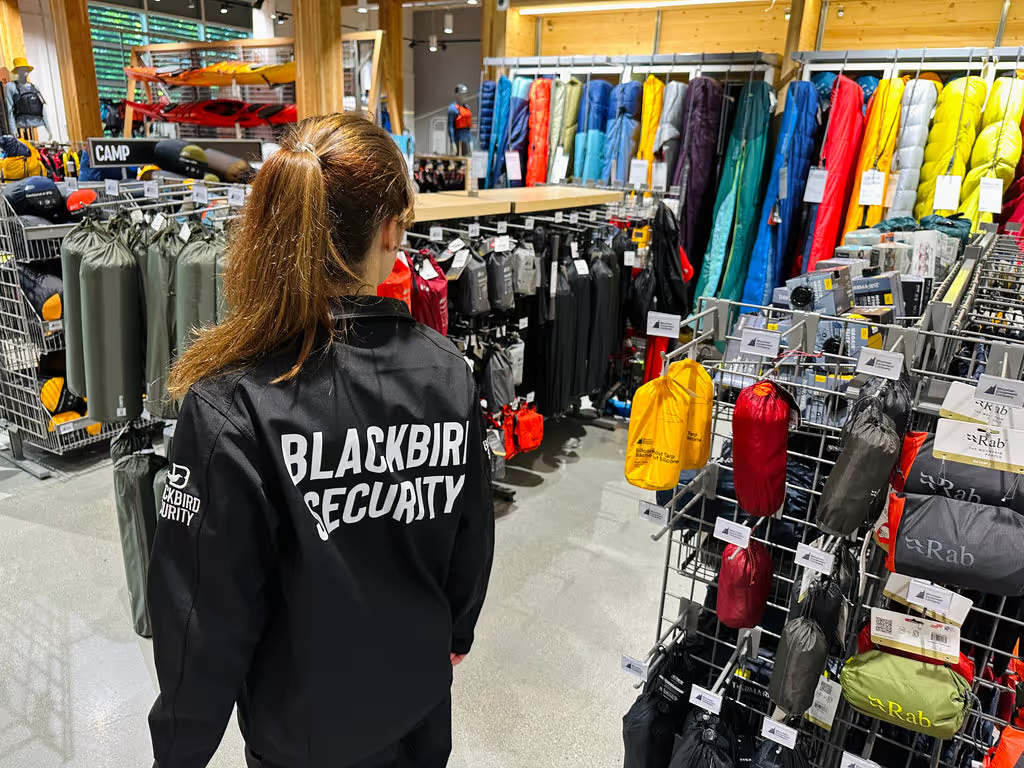
Even experienced teams can unintentionally create gaps in security. Your staff may be unsure about how to identify suspicious behaviour or how to properly report or escalate an incident of suspected shoplifting. They may also feel afraid to “accuse” legitimate customers of shoplifting.
Solution: Clear procedures and regular team check-ins
Since your staff members operate in close proximity to customers, they’re a great defence against shoplifting, provided they have the right training. Implement clear procedures for reporting suspected shoplifting, and educate your staff on identifying suspicious behaviour.
Importantly, encourage your staff to make smart decisions with a “better safe than sorry” mindset, including alerting your security team to concerns rather than confronting suspected shoplifters directly and reminding them that all concerns should be reported. Ensure they understand the process of alerting and communicating with your store’s security team.
Implement these procedures into your onboarding process and hold regular team check-ins covering changes in procedure.
5. After-Hours Security
Your store is vulnerable to break-ins and vandalism at night or on days when you’re closed. While in-store security is still essential, after-hours security shouldn’t be overlooked.
Solution: Mobile patrol security
Your store may not require a 24/7 on-site security guard, but your store will benefit from overnight coverage. Mobile patrol security is a cost-effective and flexible solution for businesses looking to increase after-hours security. Mobile guards move between sites in marked security vehicles and monitor for theft, signs of break-ins, and vandalism, while providing coverage in the event of an alarm activation. This patrol method is highly effective at deterring break-ins and vandalism, ensuring your business's safety around the clock.
6. Internal Theft
So far, we’ve discussed primarily external theft prevention. But what about internal theft? Nobody wants to suspect their own team, but it’s worth reviewing the internal policies your store has in place to prevent and respond to internal theft. Internal theft is one of the most difficult types of retail theft to detect, as it happens gradually over time, unlike external shoplifting. Employees understand store operations, schedules, and systems, which can be exploited by bad actors.
Solution: Team ownership culture, reporting policies, and undercover LPOs
Build a culture of ownership, company pride, and accountability among your team members. When your store is a great place to work, and team members feel respected and heard, they’re far less likely to act against the store’s best interests. Additionally, they’re more likely to report internal theft when witnessed. Ensure your store has procedures in place for reporting suspicious behaviour and incidents, and that staff feel comfortable coming forward.
As an added layer of protection, undercover LPOs can discreetly monitor staff for suspicious behaviour, collecting evidence of theft to present to management for discussion with the employee in question. This method prevents wrongful accusations, ensuring store managers are making informed decisions before confronting staff.
7. Lack of Oversight
Similar to internal theft, a lack of oversight of “safe staff”, or staff who have built a high degree of trust over years of service, can sometimes have negative consequences. This becomes a problem when these trusted team members conduct refunds, voids, and overrides that go unreviewed.
Solution: Oversight measures and LPOs
Implementing consistent oversight measures for all team members, such as routine audits, strict access controls, and regular monitoring, reduces opportunities for theft. Similar to our solution for preventing internal theft, undercover LPOs can monitor side check-out counters, which internal teams often use to avoid long lineups at primary check-outs.

8. Unreported Micro-Theft
Small acts of theft, such as pocketing low-value items and skipping items at self-checkout, often go unreported because they seem insignificant on their own. A handful of small items disappearing during inventory counts may sound alarm bells. However, these micro-thefts add up over time, contributing to shrinkage and creating a culture where theft feels low-risk for repeat offenders.
Solution: Strict reporting and pattern follow-ups
Adjust your reporting requirements so that staff immediately report discrepancies between store inventory catalogue counts and on-shelf products. Regularly analyze your reports to look for patterns in the types of products stolen. Your store’s security team can help you create and examine reports, adjusting your security strategy to close gaps.
9. Communication
Communication between leadership, staff, and retail security teams is absolutely essential. When it breaks down, details get missed. Employees might fail to report suspicious behaviour promptly, or management may not relay recurring issues to security teams, or vice versa.
Solution: Regular reporting and check-ins between security teams and store leadership
Effective loss prevention relies on consistent communication and teamwork. Clear reporting protocols, regular check-ins between guards and store leadership, and shared incident logs ensure everyone is aligned. When store teams report observations in real time, your security team can respond proactively, address concerns early, and close gaps before they lead to losses. Conversely, when security guards provide timely, accurate reporting, store staff can be made aware of patterns, individuals, and behaviours to monitor for while on duty.
10. Complacency Mindset
A false sense of security is one of the most overlooked retail risk factors. Stores that don’t have a significant track record of theft (or stores that haven’t been accurately reporting shrinkage), staff and managers may assume their store isn’t a target. This mindset often leads to relaxed procedures, inconsistent reporting, and reduced vigilance, ultimately making the store a target.
Solution: Proactive retail security and loss prevention.
Loss prevention works best when it’s proactive. Regular risk assessments, reviews of incident reports, and continual staff training will help you stay ahead of theft. Treating security as a standard operational practice, rather than a response to a serious incident, will prevent those serious incidents from happening.
Loss Prevention Blind Spots: Recap
To recap, here are the priorities we’ve covered in today’s article. Use the points below to strategically analyze and revise your store’s loss prevention plan.
-
Eliminate low-visibility areas caused by temporary displays, security camera angles, and mirror placement. Prevent shoplifting opportunities by scheduling security patrols in areas with low visibility.
-
Your team is a valuable asset for loss prevention. Implement loss prevention training, encourage team members to report suspicious behaviour and missing inventory immediately, and implement standardized oversight measures to prevent internal theft.
-
Invest in on-site retail security and loss prevention services for your store. Mobile patrols, LPOs, and security guards are proven methods for drastically reducing shoplifting incidents and recovering stolen merchandise in retail stores.
Closing the gaps in your store’s security strategy will not only protect your profits, but keep your staff and customers safe. At a time when customers are more selective about where they spend their money, protecting your store with visible security will boost your brand’s reputation and demonstrate a commitment to safety.
Partner With Canada’s Leading Loss Prevention Service Provider
At Blackbird Security, we leverage our 10+ years of experience to safeguard clients across Canada with expert loss prevention and retail security services. Our teams of guards are highly trained, receiving advanced training through our industry-leading training program, Blackbird Academy. By learning key skills in areas like customer service, report writing, and peaceful de-escalation, our guards blend cohesively with your team members to achieve your loss prevention and revenue targets.
Want to find out how our guards can safeguard your store? Get in touch with us today, or explore our loss prevention case study to find out how we increased recovered merchandise value by 68% for one of our clients.

More Articles
Read our latest articles on protecting your organization

Frequently Asked Questions
What services do security companies offer?
At Blackbird Security, we offer a range of security services, such as:
- On-site uniform security
- Luxury suit & tie security
- Mobile patrols
- Alarm response
- Access control
- CCTV monitoring
- Event security
- Loss prevention (undercover security)
- Tactical Security
- Concierge/Front Desk Security
- Executive Protection
- Office & Facilities Security
- Government Security
- Parking Enforcement
- Residential Security
These services work in unison to safeguard businesses, people, and assets, offering peace of mind and comprehensive protection.At Blackbird Security, we are industry leaders in providing all of these services. Our expertise ensures tailored security solutions that meet your specific requirements. Browse further to learn more: Blackbird Security Services - Blackbird Security
- On-site uniform security
- Luxury suit & tie security
- Mobile patrols
- Alarm response
- Access control
- CCTV monitoring
- Event security
- Loss prevention (undercover security)
- Tactical Security
- Concierge/Front Desk Security
- Executive Protection
- Office & Facilities Security
- Government Security
- Parking Enforcement
- Residential Security
These services work in unison to safeguard businesses, people, and assets, offering peace of mind and comprehensive protection.At Blackbird Security, we are industry leaders in providing all of these services. Our expertise ensures tailored security solutions that meet your specific requirements. Browse further to learn more: Blackbird Security Services - Blackbird Security
Can security services be customized?
Many providers offer standard security programs, but Blackbird Security emphasizes a collaborative approach to customization. By considering factors such as your industry, location, size, and specific risks, we work closely with you to design security strategies that fit your needs. This might include adjusting patrol schedules, reporting frequency, or tailoring patrol routes to align with your operations.This is possible through our dedicated Client Services team as well as our in-house Control Centre and Reporting teams. Customization is a fundamental part of how we provide effective and seamless security solutions
Are security providers in Canada regulated?
Yes, most countries and regions (including Canada) have licensing bodies and regulations that govern security providers. Check local laws to ensure your provider complies with these standards.
How do I measure the effectiveness of security measures?
Measuring the effectiveness of security measures involves tracking key performance indicators (KPIs) to evaluate how well systems and personnel are meeting safety and asset protection goals. Start by analyzing incident response times, reductions in theft, vandalism, or shrinkage, and overall resolution rates for reported issues. Comparing pre- and post-implementation data helps demonstrate tangible improvements in safety and loss prevention. Regular audits, surveys, and risk assessment reports can also gauge the reliability and perception of security measures.
Key KPIs to track include:
- Incident response times: Faster responses to alarms or emergencies.
- Reduction in theft/vandalism: Compare loss data before and after implementation.
- Patrol compliance: Track patrol frequency and adherence via GPS or logs.
- False alarm rates: Lower rates ensure focus on real threats.
- Client/Employee satisfaction: Gather feedback to measure confidence in security.
- Client services: Dedicated account representative who supports ongoing needs & can adjust strategy as needed
Key KPIs to track include:
- Incident response times: Faster responses to alarms or emergencies.
- Reduction in theft/vandalism: Compare loss data before and after implementation.
- Patrol compliance: Track patrol frequency and adherence via GPS or logs.
- False alarm rates: Lower rates ensure focus on real threats.
- Client/Employee satisfaction: Gather feedback to measure confidence in security.
- Client services: Dedicated account representative who supports ongoing needs & can adjust strategy as needed
What level of support can I expect from Blackbird Security?
We ensure all of our clients have the utmost support for their businesses, and there's a few ways we do this:
- Allowing access to our 24/7 Control centre for all clients, which is based out of our head office in Vancouver, BC. Clients can call this centre and have a mobile guard swiftly deployed to their business for any spontaneous incidents that occur. We believe in operating it inhouse to ensure all services are streamlined and optimized for the best communication. Our control canter can be reached at this number for current clients: 1-888-991-2622.
- We have a dedicated client services team which directly communicates with clients on a day-to-day basis. Our client services often perform site check ups and can assist with any issues that arise at your business.
Your peace of mind is our priority. We’re more than a service provider—we’re a partner in protecting your business. With our team working tirelessly to anticipate and resolve challenges, you can focus on running your business with confidence, knowing we’re always here to support you. Together, we build safer environments and stronger partnerships, every step of the way.
- Allowing access to our 24/7 Control centre for all clients, which is based out of our head office in Vancouver, BC. Clients can call this centre and have a mobile guard swiftly deployed to their business for any spontaneous incidents that occur. We believe in operating it inhouse to ensure all services are streamlined and optimized for the best communication. Our control canter can be reached at this number for current clients: 1-888-991-2622.
- We have a dedicated client services team which directly communicates with clients on a day-to-day basis. Our client services often perform site check ups and can assist with any issues that arise at your business.
Your peace of mind is our priority. We’re more than a service provider—we’re a partner in protecting your business. With our team working tirelessly to anticipate and resolve challenges, you can focus on running your business with confidence, knowing we’re always here to support you. Together, we build safer environments and stronger partnerships, every step of the way.
Secure Your Operation Today
Talk to our security experts about protecting your facility. We’ll assess your needs and build a plan that works.


Our Business is Protecting Yours.