.avif)

Back

5
min read -
December 23, 2025
Shoplifting: The Cost of Inadequate Loss Prevention
By
Amir Anvarizadeh
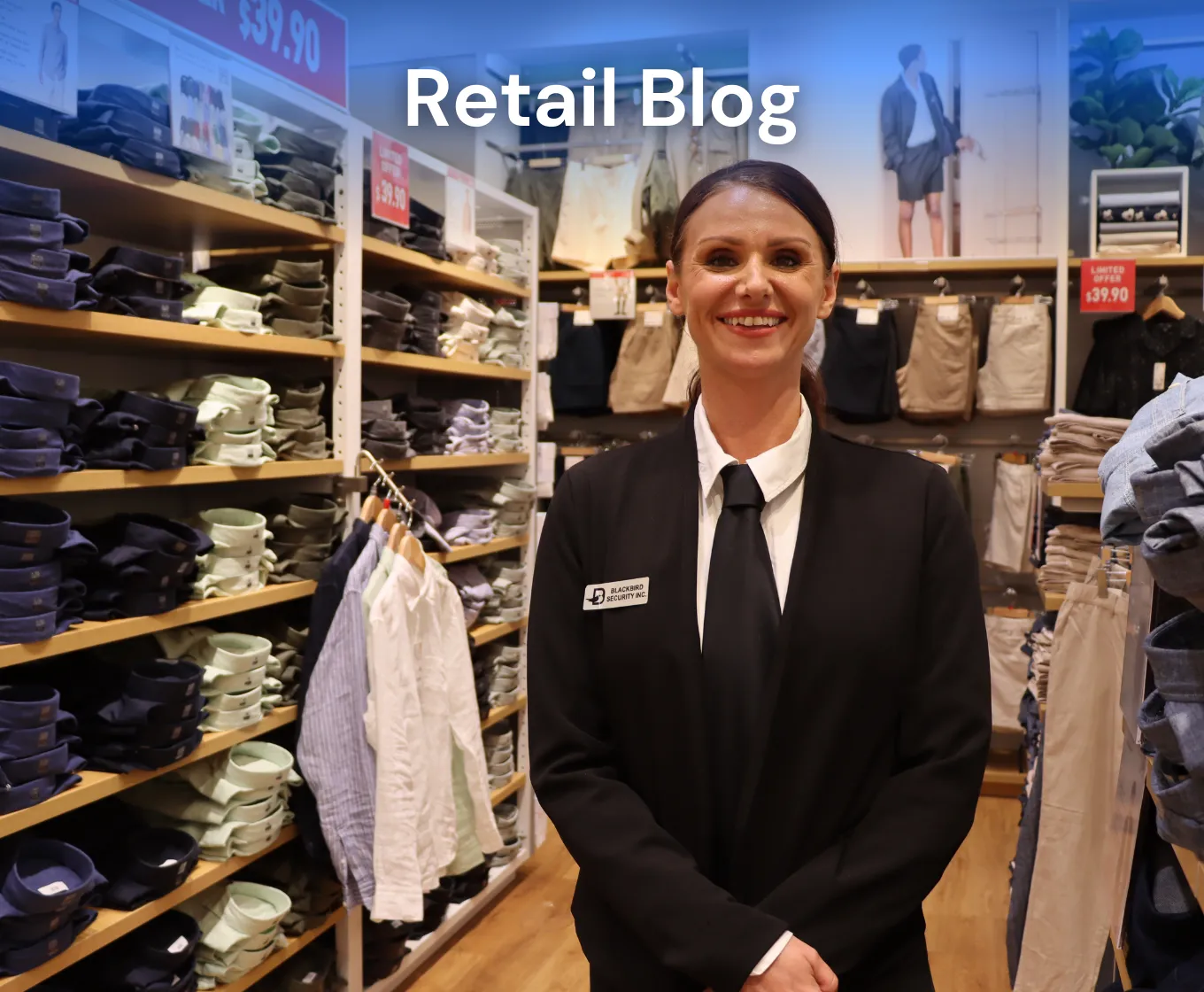
This past year, retailers have come to terms with the unfortunate reality that shoplifting is rising across Canada, with no indication of slowing down in the near future. Beyond affecting a store’s short-term profitability, retail theft can have profound negative long-term consequences. At Blackbird Security, we’ve protected stores across Canada for over a decade. We’ve seen firsthand how inadequate loss prevention measures harm stores, and we’ve helped them combat shoplifting.
If you’re a business owner, store manager, or if you’re interested in learning more about how shoplifting impacts Canadian businesses, this article will provide industry insights about shoplifting and organized retail crime.
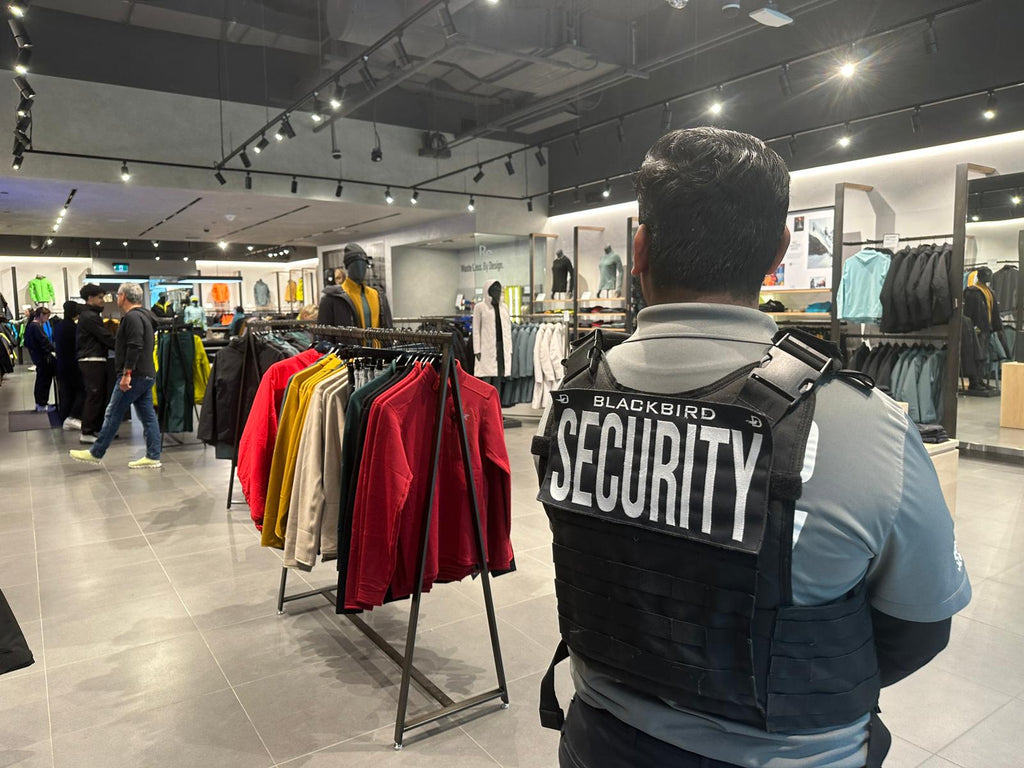
Canadian Shoplifting Statistics
If you’re involved in the retail industry, you’ve likely seen and felt the effects of increased shoplifting firsthand. You’re not alone.
The Retail Council of Canada (RCC) partnered with the Loss Prevention Research Council to survey more than 20,000 retail locations. Based on the survey’s findings, the RCC released a report on the state of retail crime nationwide. Here are the key takeaways:
- Shrinkage nearly doubled from $5 billion in 2018 to $9 billion today
- 76% of retailers report increased violence during theft incidents
- 45% of incidents included violence against staff or customers
Recent metrics from Statistics Canada support the RCC’s findings:
- There were 182,361 police-reported shoplifting incidents under $5,000 across Canada in 2024
- Between 2024 and 2023, shoplifting increased by 14%
- The rate of shoplifting has risen for four consecutive years
- Shoplifting increased by 66% from 2014 to 2024
These statistics paint an alarming picture for Canadian retailers. At a time when operating costs are higher than ever, losing revenue to shoplifting poses an even more pronounced threat.
What Stores are Most Affected by Retail Theft?
Shoplifters aren’t only targeting high-end retailers or those carrying goods with high resale value. Rather, most shoplifters target stores that offer a wide range of everyday goods.
In an article by CityNews, Rui Rodrigues, Executive Advisor of Loss Prevention & Risk Management at the RCC, said, “The retailers that have mass merchandise, like Walmart and others, who may have grocery, pharma, apparel all under one roof is obviously more attractive to a group of individuals because they can go in and get a greater volume of theft and they have a lot more they can accomplish in a short period of time.”
That’s not to say big-box retailers are the only stores affected by shoplifting. In reality, every business is vulnerable, regardless of its size or inventory value.
Shoplifting Violence is on the Rise
Even more troubling than the money businesses lose to theft is the rise in shoplifting-related violence. What was once largely viewed as a largely non-violent crime is increasingly involving assaults, threats, and weapons, placing retail employees, customers, and retail security guards at direct risk.
Rodrigues says that, when it comes to shoplifting, “the number of incidents where violence is involved is now 300 percent what it used to be.” With 76% of the 20,000 stores surveyed by the RCC reporting increased violence during thefts, it’s clear that theft-related violence is a serious and ongoing issue.
Organized retail crime (ORC) is a major driver behind this increase in violence. As we’ve covered previously on our blog, ORC groups typically operate quickly, with the intent to overwhelm staff. In many cases, violence or the threat of violence is used to ensure quick exits or deter intervention, putting store staff, customers, and bystanders at risk of harm.

The Unseen Impact of Retail Theft
The data is just one side of the story when it comes to retail theft. Beyond creating financial challenges for retailers, shoplifting has a profound negative impact that may not be immediately apparent.
Brand Reputation
Shoplifting directly affects a store’s reputation. Needless to say, when those shoplifting incidents involve violence, the problem is made significantly worse. Customers who witness shoplifting, or hear about it through word of mouth or local news, may perceive the store as unsafe.
This can have a lasting negative impact on your brand’s reputation beyond the affected location, especially with repeated incidents. When customers don’t consider your store a safe place to shop, public trust erodes and business suffers.
Employee Retention
Shoplifting affects staff just as much as, if not more than, customers. Employees who regularly encounter theft, verbal abuse, or threats of violence in their day-to-day duties are more likely to experience burnout and reduced morale. This often leads to increased absences, higher turnover, difficulty retaining experienced team members, and overall operational instability.
Community Impact
Stores located in high-crime areas are at a greater risk of closing due to lost profits, physical threats, and vandalism. According to the RCC report, retailers are increasingly forced to close stores in high-crime areas due to unsustainable operations.
While this decision is a last resort for many retailers, these closures have unintended consequences for these communities. When stores close, options for legitimate shoppers decrease, and residents lose nearby access to essentials. This disproportionately affects seniors, families, and disabled individuals. Over time, enough closures can compound into fewer jobs, making it harder for neighbourhoods to improve their crime rates as opportunities disappear.
Customer Experience
Shoplifting can change how a store operates. Locked display or shelving cases, restricted access to products, and an increased security presence, while necessary, can create a worse shopping experience. Customers may feel inconvenienced and frustrated, especially when security strategies are poorly executed or guards aren’t properly trained. Loss prevention that isn’t carefully managed can unintentionally drive away business while failing to address root causes.
The Blackbird Difference: Retail Security and Loss Prevention
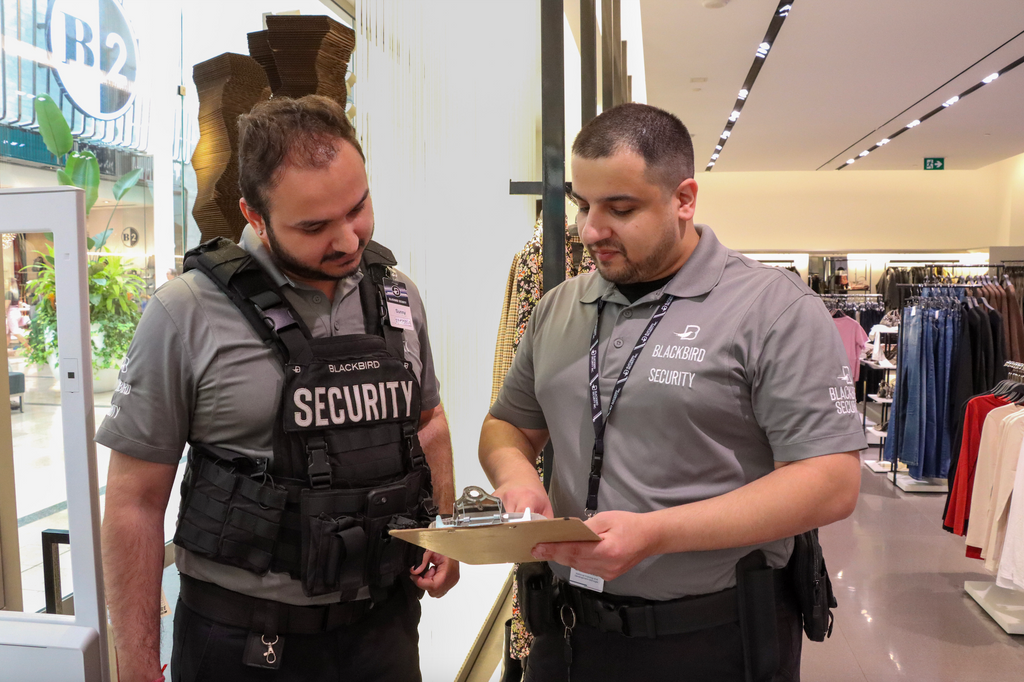
At Blackbird Security, we’re proud to safeguard our clients from coast to coast with industry-leading loss prevention and retail security services. We provide a well-rounded security approach that prevents theft, enhances store safety, and elevates the customer experience.
Our guards proactively prevent shoplifting before it happens and spot and address incidents when they occur, all while maintaining a customer-service-forward approach that reflects your brand in the best light. Our team protects not only your customers but also your employees, integrating seamlessly with your team to combat shoplifting and keep operations running uninterrupted.
Our proven track record of helping clients realize long-term benefits from our loss prevention efforts speaks for itself. Find out more in our retail security case study, which covers how we helped a national client reduce losses by 68%.
Partner With Canada’s Most Trusted Loss Prevention Service Provider
Blackbird Security is trusted by nationwide retailers, including Canadian Tire, MEC, Sephora, and many more. Contact us today to learn how we can protect your store or explore our full suite of retail security services.

More Articles
Read our latest articles on protecting your organization

Frequently Asked Questions
What services do security companies offer?
At Blackbird Security, we offer a range of security services, such as:
- On-site uniform security
- Luxury suit & tie security
- Mobile patrols
- Alarm response
- Access control
- CCTV monitoring
- Event security
- Loss prevention (undercover security)
- Tactical Security
- Concierge/Front Desk Security
- Executive Protection
- Office & Facilities Security
- Government Security
- Parking Enforcement
- Residential Security
These services work in unison to safeguard businesses, people, and assets, offering peace of mind and comprehensive protection.At Blackbird Security, we are industry leaders in providing all of these services. Our expertise ensures tailored security solutions that meet your specific requirements. Browse further to learn more: Blackbird Security Services - Blackbird Security
- On-site uniform security
- Luxury suit & tie security
- Mobile patrols
- Alarm response
- Access control
- CCTV monitoring
- Event security
- Loss prevention (undercover security)
- Tactical Security
- Concierge/Front Desk Security
- Executive Protection
- Office & Facilities Security
- Government Security
- Parking Enforcement
- Residential Security
These services work in unison to safeguard businesses, people, and assets, offering peace of mind and comprehensive protection.At Blackbird Security, we are industry leaders in providing all of these services. Our expertise ensures tailored security solutions that meet your specific requirements. Browse further to learn more: Blackbird Security Services - Blackbird Security
Can security services be customized?
Many providers offer standard security programs, but Blackbird Security emphasizes a collaborative approach to customization. By considering factors such as your industry, location, size, and specific risks, we work closely with you to design security strategies that fit your needs. This might include adjusting patrol schedules, reporting frequency, or tailoring patrol routes to align with your operations.This is possible through our dedicated Client Services team as well as our in-house Control Centre and Reporting teams. Customization is a fundamental part of how we provide effective and seamless security solutions
Are security providers in Canada regulated?
Yes, most countries and regions (including Canada) have licensing bodies and regulations that govern security providers. Check local laws to ensure your provider complies with these standards.
How do I measure the effectiveness of security measures?
Measuring the effectiveness of security measures involves tracking key performance indicators (KPIs) to evaluate how well systems and personnel are meeting safety and asset protection goals. Start by analyzing incident response times, reductions in theft, vandalism, or shrinkage, and overall resolution rates for reported issues. Comparing pre- and post-implementation data helps demonstrate tangible improvements in safety and loss prevention. Regular audits, surveys, and risk assessment reports can also gauge the reliability and perception of security measures.
Key KPIs to track include:
- Incident response times: Faster responses to alarms or emergencies.
- Reduction in theft/vandalism: Compare loss data before and after implementation.
- Patrol compliance: Track patrol frequency and adherence via GPS or logs.
- False alarm rates: Lower rates ensure focus on real threats.
- Client/Employee satisfaction: Gather feedback to measure confidence in security.
- Client services: Dedicated account representative who supports ongoing needs & can adjust strategy as needed
Key KPIs to track include:
- Incident response times: Faster responses to alarms or emergencies.
- Reduction in theft/vandalism: Compare loss data before and after implementation.
- Patrol compliance: Track patrol frequency and adherence via GPS or logs.
- False alarm rates: Lower rates ensure focus on real threats.
- Client/Employee satisfaction: Gather feedback to measure confidence in security.
- Client services: Dedicated account representative who supports ongoing needs & can adjust strategy as needed
What level of support can I expect from Blackbird Security?
We ensure all of our clients have the utmost support for their businesses, and there's a few ways we do this:
- Allowing access to our 24/7 Control centre for all clients, which is based out of our head office in Vancouver, BC. Clients can call this centre and have a mobile guard swiftly deployed to their business for any spontaneous incidents that occur. We believe in operating it inhouse to ensure all services are streamlined and optimized for the best communication. Our control canter can be reached at this number for current clients: 1-888-991-2622.
- We have a dedicated client services team which directly communicates with clients on a day-to-day basis. Our client services often perform site check ups and can assist with any issues that arise at your business.
Your peace of mind is our priority. We’re more than a service provider—we’re a partner in protecting your business. With our team working tirelessly to anticipate and resolve challenges, you can focus on running your business with confidence, knowing we’re always here to support you. Together, we build safer environments and stronger partnerships, every step of the way.
- Allowing access to our 24/7 Control centre for all clients, which is based out of our head office in Vancouver, BC. Clients can call this centre and have a mobile guard swiftly deployed to their business for any spontaneous incidents that occur. We believe in operating it inhouse to ensure all services are streamlined and optimized for the best communication. Our control canter can be reached at this number for current clients: 1-888-991-2622.
- We have a dedicated client services team which directly communicates with clients on a day-to-day basis. Our client services often perform site check ups and can assist with any issues that arise at your business.
Your peace of mind is our priority. We’re more than a service provider—we’re a partner in protecting your business. With our team working tirelessly to anticipate and resolve challenges, you can focus on running your business with confidence, knowing we’re always here to support you. Together, we build safer environments and stronger partnerships, every step of the way.
Secure Your Operation Today
Talk to our security experts about protecting your facility. We’ll assess your needs and build a plan that works.


Our Business is Protecting Yours.