The Ultimate Guide to Commercial Security for Buildings

Commercial building security offers so much more than a guard stationed at the front door. Whether a building is an office tower, retail plaza, or mixed-use development, it’s a shared space where tenants, vendors, customers, and visitors cross paths. Without a security presence, small problems can lead to major issues, lower tenant satisfaction, and put unnecessary pressure on property management.
A solid commercial building security strategy helps manage building operations, providing peace of mind for tenants and property managers alike. If you’re reviewing your current building security strategy or just want to better understand how commercial building security can support your property, this guide breaks down the key parts step by step.
Table of Contents:
- The Risk of a Complacent Mindset
- When Buildings Get Stuck with Copy and Paste Security
- What a Commercial Building Security Guard’s Day Looks Like
- Concierge Security in Commercial Buildings
- How Security Guards Enhance the Tenant Experience
- Commercial Building Security Case Study
- Why Choose Blackbird for Commercial Building Security
- FAQs
1. The Risk of a Complacent Mindset in Commercial Building Security
A common mindset in commercial building security is that if nothing has gone wrong yet, everything must be fine. At first glance, this makes sense. If there haven’t been break-ins, thefts, or emergencies, it’s easy to think the building is secure. However, in reality, most security issues build gradually.
Commercial building security gaps often start small. For example:
- Doors that don’t latch or close properly.
- Missing or damaged exit signage.
- Unmonitored delivery rooms/areas.
- Overflowing garbage rooms.
- Secondary entrances left unsecured.
Each problem might not seem urgent on its own, but over time, these gaps can lead to bigger issues. For example, a door that doesn’t latch right might not cause trouble for weeks, but one night it could be left slightly open, making it easier for people to enter off the street. A missing exit sign may not matter during a normal workday, but during an emergency evacuation, it can create confusion and delay precious minutes.
A proactive commercial building security plan focuses on identifying and addressing these small issues early. A commercial building security guard supports this by:
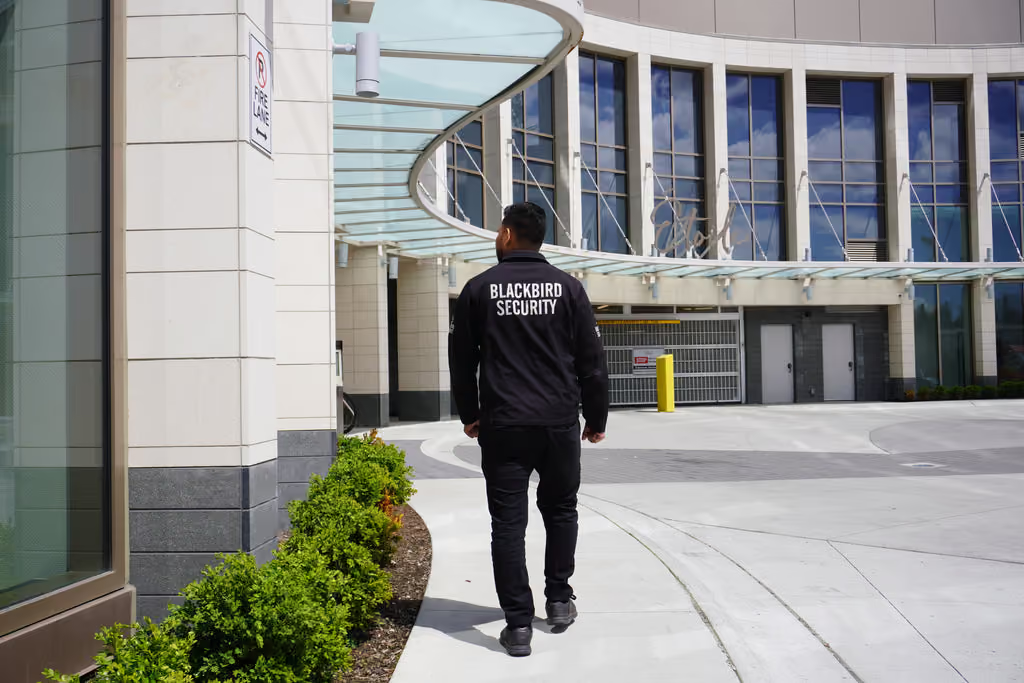
- Conducting regular patrols.
- Checking access points.
- Reporting maintenance concerns.
- Monitoring shared areas.
- Maintaining visible oversight.
Regular oversight prevents small issues from becoming bigger problems. Good commercial building security focuses on prevention, rather than reaction when something serious happens.
For a breakdown of how small oversights turn into larger building issues, read our blog The Risk of “Nothing’s Happened Yet” in Commercial Building Security.
2. When Commercial Buildings Get Stuck with Copy and Paste Security
Most building security programs aren’t necessarily bad, but they aren’t great, either. More often than not, they’re just average. There’s a guard at the front desk, patrols happen on schedule, and cameras are in place. On paper, the building appears to be covered. The issue arises when that same plan is applied to every property without adjustment.
No two buildings operate the same way. A downtown office tower with regular business hours has different activity than a busy retail plaza that’s active all day. When both receive the same patrol schedules and guard assignments, gaps appear because the plan doesn’t align with how the property actually functions. A structured plan is important, but structure alone isn’t enough if it doesn’t address the site's challenges.
Where Generic Security Falls Short
Copy and paste security often includes:
- Identical patrol schedules across properties.
- Standardized post orders with no site-specific detail.
- Limited adjustment for layout or access points.
- No consideration for tenant mix or daily usage patterns.
This approach provides coverage, but it doesn’t always align with a building’s actual needs.
For example, the downtown office building might need more security after hours when tenants leave and foot traffic dies down. The retail plaza may need a stronger visible presence during the day in parking lots and gathering spaces where incidents can happen quickly and unexpectedly.
What Tailored Commercial Building Security Looks Like
Tailored commercial building security starts with understanding how the property operates on a daily basis. In the office tower, that may mean increasing after-hours patrols, increasing routine access point checks, and building in clear emergency response procedures. In the retail plaza, it may involve randomizing parking lot patrols, focusing coverage on higher-activity areas, and incorporating maintenance checks into each shift.
A customized security plan often means adjusting patrol times, priorities, and reporting to better match the building’s activity and known issues. When security is built around the building itself rather than copied from a template, it becomes more consistent, more practical, and better aligned with the needs of property managers and tenants.
To learn more about how generic security plans create gaps and what tailored coverage actually looks like, explore our blog When Commercial Buildings Get Stuck with Copy and Paste Security.
3. What a Commercial Building Security Guard’s Day Looks Like
When thinking about how commercial building security works day to day, it helps to look at a typical shift. A security guard’s day focuses on managing access, keeping watch, reporting, and responding to issues.
Most commercial building security guard shifts start with preparation before doors open. A security guard reviews past reports, checks CCTV and access systems, and does an initial walk-through of main entrances and shared areas. These early checks catch problems before tenants arrive.
As the building becomes active, the focus shifts to managing access. A commercial building security guard may:
- Verify visitor credentials.
- Monitor badge and key fob access.
- Coordinate vendor arrivals.
- Provide front desk support.
Patrols and monitoring continue throughout the day. Guards check hallways, stairwells, parking areas, and entrances while noting observations in detailed reports. Clear communication with property management helps make sure nothing is missed. When problems occur, whether unauthorized access or emergencies, security guards are trained to remain calm, address the situation professionally, and follow building procedures.
For a full breakdown of responsibilities from opening to closing, read our blog What a Commercial Building Security Guard’s Day Looks Like.
4. Concierge Security in Commercial Buildings: More Than a Simple Hello
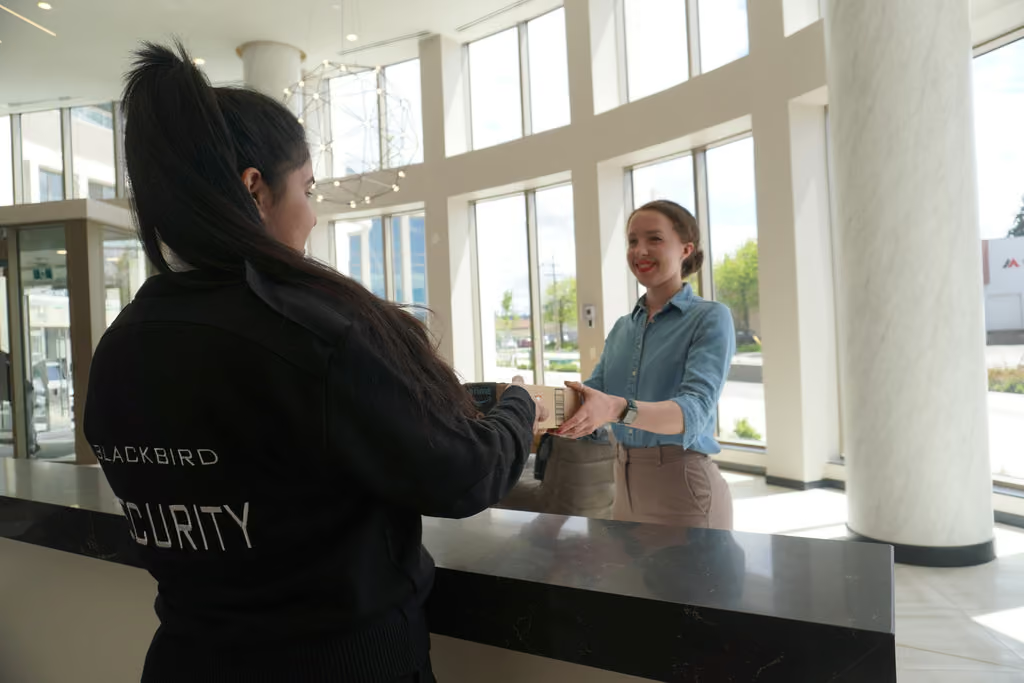
Concierge security is often the most visible part of commercial building security. The front desk sets the mood for everyone who walks through the front doors, shaping how tenants, visitors, and vendors feel from the moment they arrive. A concierge security guard handles access control, keeps watch, and provides customer service to keep the building running smoothly and safely all day.
The Front Desk as an Access Control Point
The front desk is one of the most important points of control in a commercial property. It’s where people check in, ask questions, and access the building. A concierge security guard stationed at the entrance provides:
- Oversight into who enters and exits.
- A consistent point of contact for tenants and visitors.
- Immediate response to access issues.
- A visible security presence.
Without this oversight, small problems can quickly spiral out of control. Concierge security helps keep the front of the building professional and well-organized.
Daily Responsibilities Behind the Desk
Concierge security guards carry a wide range of responsibilities that support commercial building security on a daily basis. These duties often include:
- Managing guest sign-ins.
- Verifying credentials and monitoring badge access.
- Coordinating vendor and contractor arrivals.
- Receiving deliveries and directing service providers.
- Conducting regular sweeps of shared spaces.
- Communicating building updates to property management.
- Providing customer service and answering visitor questions.
Tasks like these make things easier for tenants while keeping security standards clear and consistent.
Supporting Both Operations and Security
Concierge security guards often function as an extension of property management. They handle routine questions, document incidents, and flag maintenance concerns before they escalate.
When issues arise, concierge guards are trained to:
- Address access disputes.
- Enforce building rules respectfully.
- De-escalate tense situations.
- Initiate emergency procedures when necessary.
To learn more about how concierge security supports both safety and daily operations, read our blog Concierge Security in Commercial Buildings: More Than a Simple Hello.
5. How Commercial Building Security Guards Enhance the Tenant Experience
In addition to providing safety and security, commercial building security shapes how tenants experience the building every day. From the front entrance to shared spaces, a commercial building security guard contributes to how organized, professional, and well-managed a property feels.
Creating First Impressions
The front entrance is where tenants, clients, and visitors form their first impression. A commercial building security guard stationed at the entrance provides structure and clarity from the moment someone walks in. Having a guard present at the front desk helps the building feel organized and professionally managed.
Reinforcing Access Control and Professional Standards
Customer service and access control go hand in hand. When a commercial building security guard monitors entry points, they also ensure building standards are maintained.
This can include:
- Preventing unauthorized access.
- Confirming vendor and contractor credentials.
- Addressing disruptive behaviour.
- Responding to tenant concerns.
When access is managed well and consistently, tenants feel confident that the building is being properly looked after.
Supporting Daily Operations Behind the Scenes
A commercial building security guard conducts regular patrols and communicates with property management. During patrols, guards check shared areas, secondary entrances, and secured spaces while documenting maintenance concerns or irregular activity.
This structure supports:
- Early identification of maintenance issues.
- Clear reporting and documentation.
- Faster response to tenant concerns.
- A more stable and predictable environment.
Over time, this steady approach builds tenant trust and helps keep them longer. To explore how security presence directly influences tenant confidence and long-term lease renewals, read our blog How Commercial Building Security Guards Enhance the Tenant Experience.
6. Case Study: Blackbird Commercial Building Security Services
We’ve talked a lot about commercial building security and its benefits. But does it actually work in the real world? The short answer is yes. Here’s how:
At a mixed-use property in Burnaby, BC, Blackbird Security implemented a tailored commercial building security program, resulting in a 59.1% reduction in total incidents within 6 months.
The Challenges
The property combined retail, office, and residential spaces in one high-use space. With constant daily movement, recurring issues began to affect operations and tenant confidence.
These challenges included:
- Vagrancy and public drinking in open-access areas.
- Disruptive behaviour in shared walkways.
- Misuse of plaza and pedestrian spaces.
- Ongoing maintenance concerns going unreported.
- Increased strain on property management.
These problems built up over time due to a lack of steady oversight at the property.
Our Security Approach
Blackbird Security implemented a proactive program built around:
- Visible on-site tactical presence.
- Structured and frequent patrols.
- Early de-escalation of disruptive behaviour.
- Clear communication with property management.
- Detailed reporting after each shift.
Guards focused on actively deterring issues, enforcing property rules respectfully, and working with law enforcement when needed.
The Results
Within six months, measurable reductions included:
- Vagrancy ↓ 40%
- Public alcohol consumption ↓ 88.7%
- Maintenance-related incidents ↓ 56.6%
- Disturbances ↓ 86.4%
Together, these efforts led to a 59.1% drop in total incidents, restoring order to the plaza and improving the environment for tenants and visitors.
To see the full breakdown of challenges, strategy, and measurable outcomes, read our blog Blackbird Commercial Building Security Services: Case Study.

7. Why Choose Blackbird for Commercial Building Security?
There’s no silver bullet for great commercial building security. Instead, it’s about being consistent, proactive, and attentive. As we’ve outlined throughout this guide, effective commercial building security includes:
- Proactive oversight instead of reactive response.
- Tailored plans instead of copy-and-paste coverage.
- Clear reporting and communication.
- Visible presence in shared spaces.
- A focus on tenant experience alongside safety.
When these parts come together, buildings run more smoothly. Tenants feel supported, property managers stay informed, and small problems get fixed before they grow. Whether you’re managing a downtown office tower, a mixed-use property, or a retail-focused building, commercial building security should reflect how your space actually functions.
At Blackbird Security, we design our commercial building security strategies with structure, clear communication, and site-specific planning. We partner closely with property managers to create coverage that fits daily activity, risk, and long-term goals.
If you’re reviewing your current security program or thinking about changes, our team is here to help. Contact us to learn more about how we handle commercial building security.
Frequently Asked Questions About Commercial Building Security
What is commercial building security?
Commercial building security refers to the structured protection of office towers, mixed-use properties, retail plazas, and other commercial sites. It includes on-site security guards, access control, patrols, surveillance monitoring, reporting, and emergency response procedures.
What does a commercial building security guard do?
A commercial building security guard manages access control, conducts patrols, monitors CCTV systems, responds to incidents, writes detailed reports, and communicates with property management. Their role supports both safety and daily building operations.
How does commercial building security improve tenant experience?
Commercial building security improves tenant experience by creating a structured, organized environment. Guards provide visible oversight, manage entry points, address concerns promptly, and help maintain professional standards throughout shared spaces.
Is concierge security part of commercial building security?
Yes. Concierge security is a specialized form of commercial building security that combines front desk oversight with customer service. Concierge guards manage access, greet visitors, coordinate vendors, and support daily building operations while maintaining security standards.
How often should a commercial building security plan be reviewed?
A commercial building security plan should be reviewed whenever building operations, tenant mix, traffic patterns, or risk levels change. Regular evaluations ensure coverage remains aligned with how the property actually functions.
Do commercial building security guards provide after-hours protection?
Yes. Commercial building security guards can provide after-hours patrols, access checks, alarm response, and monitoring to protect assets, inventory, and equipment once tenants leave for the day.
Can commercial building security reduce incidents over time?
Yes. A structured and proactive commercial building security program can significantly reduce incidents such as unauthorized access, disturbances, and maintenance-related risks through consistent patrols, deterrence, and early intervention.
What’s the difference between a generic and a tailored commercial building security plan?
A generic plan applies the same patrol schedules and procedures across properties. A tailored commercial building security plan adjusts guard duties, patrol timing, and coverage areas based on the building’s layout, activity patterns, and specific risks.
How does commercial building security support property managers?
Commercial building security supports property managers by providing real-time reporting, identifying maintenance issues early, enforcing building policies, and responding to incidents so management can focus on operations and tenant relations.
How much does commercial building security cost?
The cost of commercial building security depends on property size, risk level, hours of coverage, and whether specialized services such as concierge coverage or tactical presence are required. A site assessment is the best way to determine accurate pricing.

Plus d'articles
Foire aux questions
Les principaux KPI à suivre comprennent :
- Délais de réponse aux incidents : réponse plus rapide aux alarmes ou aux urgences.
- Réduction du vol et du vandalisme : comparer les données sur les pertes avant et après la mise en œuvre.
- Conformité des patrouilles : Suivez la fréquence et le respect des patrouilles au moyen du GPS ou des registres.
- Taux de fausses alarmes : Des taux plus bas permettent de mettre l'accent sur les menaces réelles.
- Satisfaction des clients/employés : Recueillir des commentaires pour mesurer la confiance à l'égard de la sécurité.
- Services à la clientèle : représentant de compte dédié qui répond aux besoins continus et peut ajuster la stratégie au besoin
- Permettre l'accès à notre centre de contrôle 24 heures sur 24, 7 jours sur 7 pour tous les clients, qui est basé à notre siège social à Vancouver, en Colombie-Britannique. Les clients peuvent appeler ce centre et faire en sorte qu'un gardien mobile soit rapidement déployé dans leur entreprise pour tout incident spontané qui se produit. Nous croyons qu'il faut l'exploiter en interne pour nous assurer que tous les services sont rationalisés et optimisés pour la meilleure communication. Pour les clients actuels, nous pouvons joindre notre centre de contrôle au numéro suivant : 1-888-991-2622.
- Nous avons une équipe dédiée au service à la clientèle qui communique directement avec les clients au quotidien. Nos services à la clientèle effectuent souvent des vérifications de site et peuvent vous aider à résoudre tout problème qui survient dans votre entreprise.
Votre tranquillité d'esprit est notre priorité. Nous sommes plus qu'un fournisseur de services — nous sommes un partenaire pour protéger votre entreprise. Grâce à notre équipe qui travaille sans relâche pour anticiper et résoudre les défis, vous pouvez vous concentrer sur la gestion de votre entreprise en toute confiance, sachant que nous sommes toujours là pour vous soutenir. Ensemble, nous bâtissons des environnements plus sécuritaires et des partenariats plus solides à chaque étape du processus.
Sécurisez vos opérations dès aujourd'hui