What a Commercial Building Security Guard’s Day Looks Like
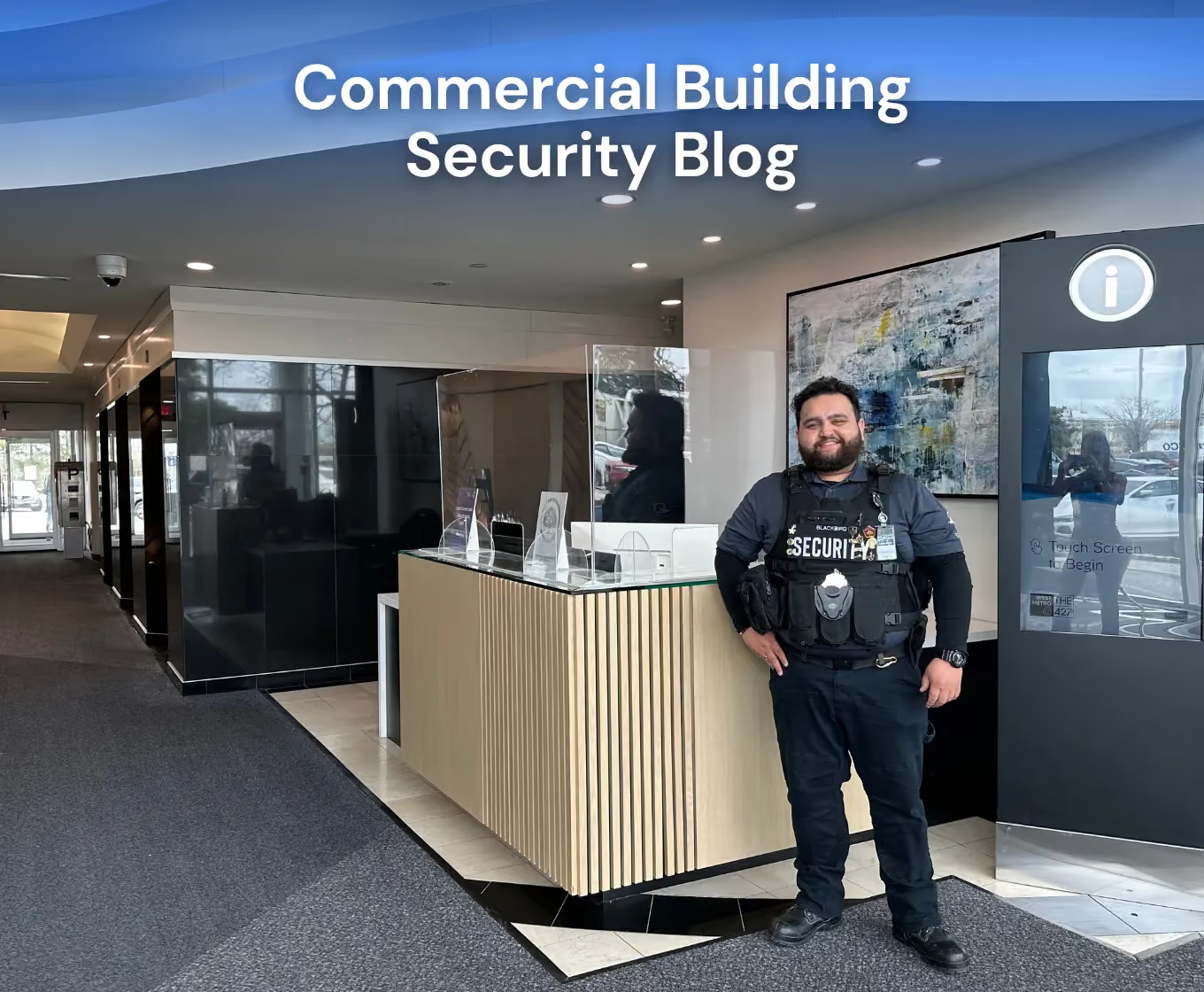
You’ve likely seen a commercial building security guard in action, whether they’re managing the front desk at a residential building, patrolling a retail plaza, or greeting employees at the entrance to an office building. But what exactly do they do in a day? What are their duties, and how do they safeguard a building and the people inside?
This blog covers a day in the life of a commercial building security guard, from opening its doors to locking up at the end of the day. While not every building follows the same procedures and schedules, this breakdown provides a general overview of the tasks commercial building security guards typically perform.
1. Morning: The Start of the Shift
A commercial building security guard usually arrives early to get the building prepped for the day. Some building security guards handle keyholding and are the first to arrive each day.
- When the guard arrives at the building, they’ll typically begin their shift by reviewing the previous guard’s reports.
- Next, they’ll confirm that all access control systems and CCTV cameras are up and running.
- They’ll perform a sweep of the building’s exterior, lobby, shared spaces, and primary entry points for anything out of place. This might include signs of vandalism, damage, litter, or vagrancy. If there are any issues, the guard will report them and either address them immediately or coordinate with maintenance teams.
- When the building is ready to open to the public, the guard unlocks the primary entrance and the parkade gate.
When security starts off well, the rest of the day goes more smoothly. This makes the first hour important. The guard sets the tone by making sure access points are secure, systems are working, and everything is in order before people arrive.
2. Access Control and Monitoring
As the building becomes busier with employees and visitors, the security guard focuses on access control and monitoring. Having a visible security guard on site reassures tenants and shows that the property is well-protected. At the front desk or main entrance, a commercial building security guard may:
- Manage visitor sign-in.
- Verify ID and credentials.
- Monitor badge or key fob access.
- Direct visitors or service providers to the correct floor or office.
- Answer questions, provide customer service, and address tenant feedback or concerns.
- Coordinate vendor and contractor arrivals.
Access control is one of the main jobs of a commercial building security guard. Guards make sure only authorized personnel enter secure areas while maintaining a welcoming environment.
3. Midday: Patrols and Oversight
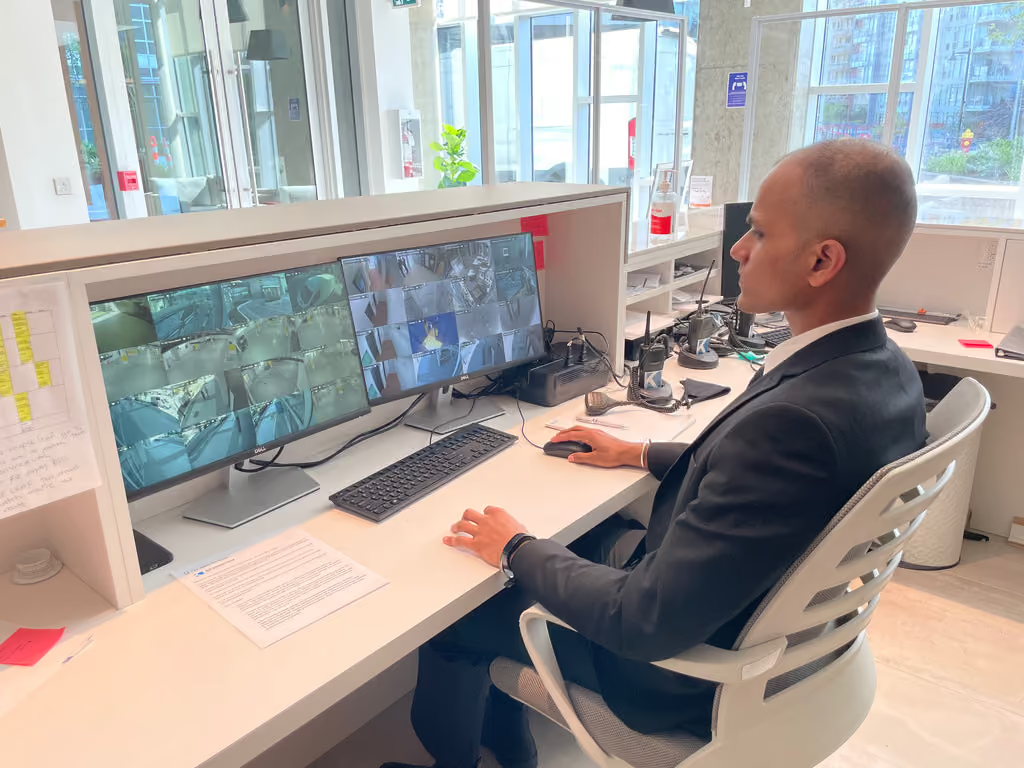
Once the building is up and running and the initial morning influx of visitors has passed, the commercial building security guard keeps an eye on the entire building through a combination of CCTV monitoring and patrols.
Patrols often include:
- Walking through corridors and shared areas.
- Checking stairwells and parking areas.
- Confirming access doors are secured.
- Looking for maintenance issues, such as broken lights or surface damage.
Foot patrols often catch details that might not be as visible on CCTV cameras, so it’s important for security guards to use both methods of monitoring. Regular checks help keep building managers informed on issues as they arise.
4. Communication and Reporting Throughout the Day
Two important but often overlooked duties of a security guard are reporting and communication. When incidents occur or are found on patrol, the commercial building security guard writes a detailed report. Accurate, comprehensive reports create a clear record of what happens in and around the building.
These reports often include:
- The date and time of the incident or when the issue was discovered.
- Individuals involved, if any.
- A description of the situation.
- Actions taken.
- Photo or video evidence, if available.
In addition to writing reports, the security guard stays in touch with building management throughout the day, sharing updates and important information in real time. This way, managers always know what’s going on in their building.
5. Managing Deliveries and Service Providers
Commercial buildings often have a steady stream of deliveries and service providers coming through their doors. It’s the job of the commercial building security guard to help keep everything organized. These duties typically include:
- Receiving and logging deliveries.
- Coordinating vendor access.
- Confirming work orders with property management.
- Directing or escorting service providers to secure areas.
Having a security guard on hand to manage these visits prevents confusion and keeps building operations running smoothly while making sure access control rules are followed.
6. How Commercial Building Security Guards Respond to Security Issues
Not every day goes exactly as planned. A commercial building security guard needs to be ready to address problems as they happen, such as unauthorized entry attempts, disagreements between tenants or visitors, rule violations, and disruptive behaviour.
Depending on the security company, commercial building security guards may be trained in communication, de-escalation, and conflict resolution. At Blackbird Security, for example, our guards are trained through our industry-leading in-house security training program, Blackbird Academy.
Our training goes beyond what’s required to earn a security guard license, and helps our guards respond to situations safely and professionally. When guards are present to respond promptly to issues, it helps maintain order in the building and improves the tenant experience.
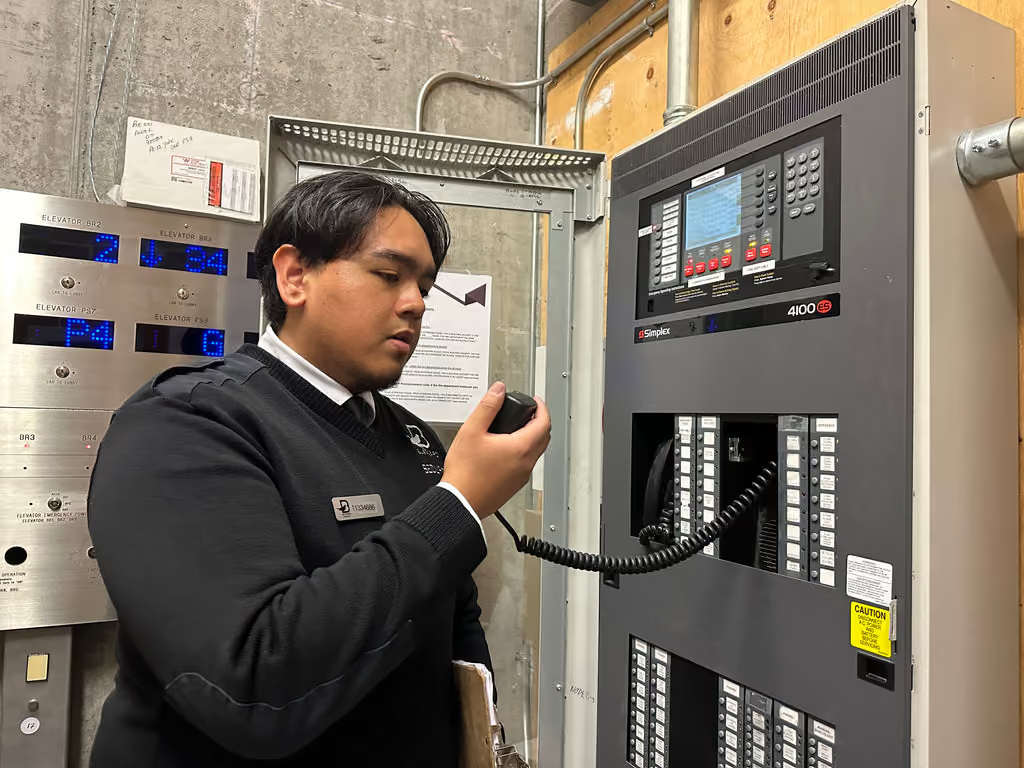
7. Emergency Response
Emergencies can and do happen, and commercial building security guards need to understand exactly what to do ahead of time, according to the building’s protocols. Since a commercial building security guard is often the first one on scene, they need to respond calmly and decisively.
Here’s a breakdown of a typical emergency response. The guard:
- Assesses the situation quickly.
- Initiates building protocols.
- Coordinates evacuations if needed (such as during fire alarms).
- Dials 911 and communicates with first responders.
- Provides first aid until medical personnel arrive.
- Secures affected areas.
- Communicates updates to property management.
A quick, organized response minimizes confusion and panic among building occupants and helps people get help as quickly as possible.
8. End-of-Shift Handover
Another important part of the security guard’s day is the end-of-shift handover, which may take place in buildings with overnight security guards. A smooth handover between guards makes sure there are no gaps in coverage. The guard will typically:
- Brief the incoming guard on any incidents or unusual activity.
- Flag maintenance concerns or action items to follow up on.
- Share tenant concerns and building updates.
These steps help the next guard start their shift fully informed. Communication during shift changeovers keeps things consistent and ensures nothing gets overlooked.
9. Evening: Closing the Building
Commercial building security guards who handle keyholding duties must secure the building at the end of the day. The tasks involved in closing can include:
- Confirming all visitors have left the building.
- Locking entrances, exits, and secondary access points.
- Checking that alarm systems are armed.
- Conducting a final sweep of the lobby and shared spaces.
- Recording any final observations in the shift report.
These closing steps help keep the building secure after hours. A careful final check ensures the building is ready for the next day.

Partner With Blackbird For Commercial Building Security
Commercial security guards are integral to a commercial building's smooth operation. At Blackbird Security, we understand that highly effective commercial building security comes down to structure, procedure, consistency, and clear communication. Our commercial building security guards serve as an extension of your property management team, keeping your building organized, secure, and professionally represented every day.
If you’re looking to strengthen your commercial building security strategy, contact us to learn how our team can support your property.
Frequently Asked Questions About Commercial Building Security Guards
What does a commercial building security guard do during a typical shift?
A commercial building security guard manages access control, monitors surveillance systems, conducts patrols, writes incident reports, and communicates with property management throughout the day.
How does a commercial building security guard support access control?
Guards verify credentials and ID, manage visitor sign-ins, monitor badge systems, and ensure doors and restricted areas remain secure.
Do security guards write reports?
Yes. Guards document incidents, observations, and unusual activity in detailed reports that support property management and long-term planning.
Can a commercial building security guard respond to emergencies?
Yes. A commercial building security guard is trained to initiate building protocols, coordinate evacuations, and contact emergency services. Some guards also receive first-aid training.

More Articles
Frequently Asked Questions
Key KPIs to track include:
- Incident response times: Faster responses to alarms or emergencies.
- Reduction in theft/vandalism: Compare loss data before and after implementation.
- Patrol compliance: Track patrol frequency and adherence via GPS or logs.
- False alarm rates: Lower rates ensure focus on real threats.
- Client/Employee satisfaction: Gather feedback to measure confidence in security.
- Client services: Dedicated account representative who supports ongoing needs & can adjust strategy as needed
- Allowing access to our 24/7 Control centre for all clients, which is based out of our head office in Vancouver, BC. Clients can call this centre and have a mobile guard swiftly deployed to their business for any spontaneous incidents that occur. We believe in operating it inhouse to ensure all services are streamlined and optimized for the best communication. Our control canter can be reached at this number for current clients: 1-888-991-2622.
- We have a dedicated client services team which directly communicates with clients on a day-to-day basis. Our client services often perform site check ups and can assist with any issues that arise at your business.
Your peace of mind is our priority. We’re more than a service provider—we’re a partner in protecting your business. With our team working tirelessly to anticipate and resolve challenges, you can focus on running your business with confidence, knowing we’re always here to support you. Together, we build safer environments and stronger partnerships, every step of the way.
Secure Your Operation Today