
Why Campus Security Is More Than Just a Uniform
College and university campuses are busy locations. With students moving between buildings, spending time in shared spaces, attending on-campus events, moving in and out of nearby residences, and being energetic young people, campuses can quickly become hectic. When so many people share the same space, campus security is critical to smooth, safe day-to-day operations.
That’s why a campus security guard is so much more than just a uniformed presence on the property. If you’re a decision maker planning or evaluating your school’s campus security, this article will shed light on what campus security actually does and why it’s so important for all campus properties to have a comprehensive security strategy.
Key Takeaways
- Effective campus security depends on strategy, coordination, and communication.
- Campuses change quickly throughout the day, and security teams need to adjust coverage based on shifting activity, events, and risk levels.
- Guards help shape campuses by responding to incidents and supporting daily operations.
- Campus security helps maintain order, support students and staff, and contribute to a safe, well-managed environment.
- Layout, population, and activity levels all impact risk, and no two campuses have the same security needs.
Campus Security Is About Strategy
When most people hear “campus security”, they usually picture a security guard in uniform or a marked security vehicle patrolling campus streets. While visibility contributes to a sense of order and deters bad behaviour, it’s just one part of a much larger security ecosystem.
Campus security requires coordination, planning, and adaptability because campuses operate more like small cities than as a single property. There are residential buildings, classrooms, event spaces, administrative offices, and public areas, each with different risks and activity levels. This many moving parts means that all campuses require a strategy developed by an experienced team.
Without the right strategy, gaps in security coverage form. Security guards who aren’t strategically deployed to areas that need it, when they need it, miss incidents. Patrols that aren’t timed around peak movement or high-risk periods leave the campus exposed when it matters most.
Instead, a plan that involves the regular evaluation of a campus’s environment and consistent communication with campus management teams tends to be far more effective in reducing incidents and protecting safety.
Campus Security Requires Constant Adaptation
While having a pre-planned strategy in place is crucial, campus security teams must be able to make changes rapidly. Events, protests, and large gatherings can change risk levels in minutes. It’s up to a campus’s security team to continually monitor the property and make adjustments based on the campus's real-time status.
This might include:
- Increasing security presence in areas experiencing temporary spikes in activity or foot traffic.
- Communicating and coordinating swiftly with campus staff and administration teams when unexpected changes occur.
- Responding to evolving situations and applying protocols in real time, rather than relying on fixed schedules.
- Monitoring how different areas are being used throughout the day and shifting focus accordingly.
This kind of flexibility helps ensure campus security stays aligned with what’s actually happening on the ground. A security team that can adjust in real time ensures coverage remains consistent even when the campus environment changes.
Campus Security Guards Provide Real Help in Real Time
While visible deterrents like CCTV cameras, signage, and uniforms help to mitigate crime to a degree, they can only do so much. That’s why an active, on-site campus security presence is so important.
Campus security guards:
- Interpret behaviour.
- Respond to situations in real time.
- Provide first aid during medical emergencies.
- Facilitate fire alarm evacuations.
- Offer reassurance and support.
Guards are often the first on the scene during serious incidents. In high-pressure situations, their ability to communicate clearly and remain calm directly impacts incident outcomes. The presence of trained guards helps create an atmosphere of safety and trust on campuses, which is especially important in places like schools, where individuals may already feel uncertain or vulnerable.
Campus Security Protects Much More Than Property
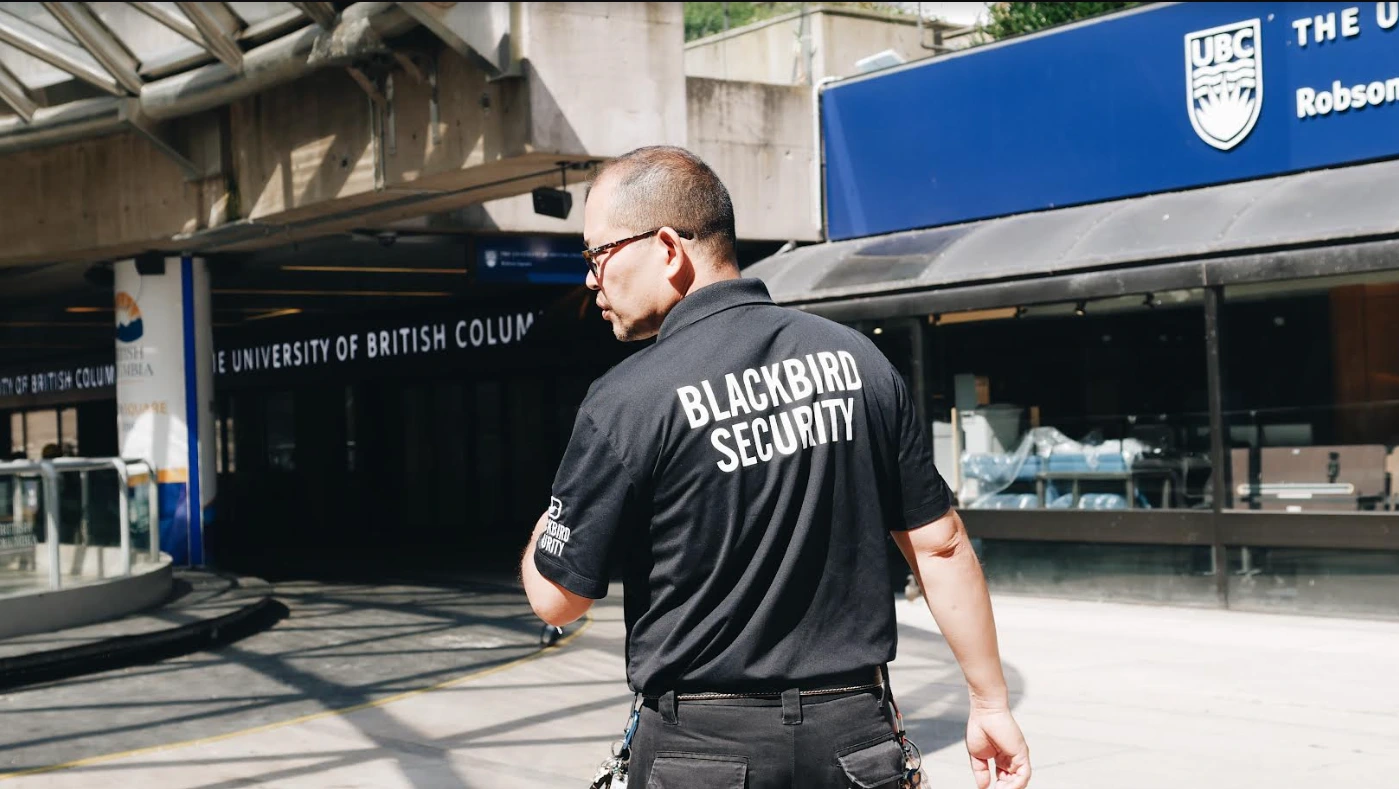
While responding to incidents and maintaining property safety are important parts of campus security, guards also help maintain the environment that students, staff, and visitors move through every day. Since a campus is one of the few places where people study, work, live, and socialize, security shapes how the campus functions and how people experience it.
In practice, this includes:
- Keeping shared spaces orderly during busy periods.
- Monitoring access points and maintaining vigilance
- Managing crowds at on-campus events and in high-traffic areas.
- Providing directions, answering questions, and addressing concerns.
- Reporting maintenance issues and coordinating with maintenance teams.
These background duties often go overlooked and underappreciated. Viewing campus security only as a uniformed presence misses the extent of its influence on the day-to-day campus experience. It’s important for campus management teams to recognize how campus security contributes to the overall environment.
At Blackbird Security, our guards receive specialized training in crisis prevention, peaceful de-escalation, and customer service to deliver empathetic, professional service to everyone on the campuses we protect. These skills contribute to safe, welcoming environments.
Your Campus Security Strategy Should Fit Your Campus
Every campus has its own layout, culture, and daily rhythm. A commuter campus operates differently from a residential one, while a downtown campus experiences different challenges from those in suburban neighbourhoods. As a result, every campus requires a different strategic approach to security.
For example, a campus security guard at a commuter campus downtown might:
- Manage high numbers of pedestrians during peak hours, including students, staff, and members of the public.
- Monitor open-access areas where non-students regularly pass through or gather.
Meanwhile, a campus security guard at a residential campus in the suburbs would:
- Oversee residence buildings and shared living spaces, particularly during evenings and overnight hours.
- Respond to noise complaints, guest access concerns, and after-hours activity.
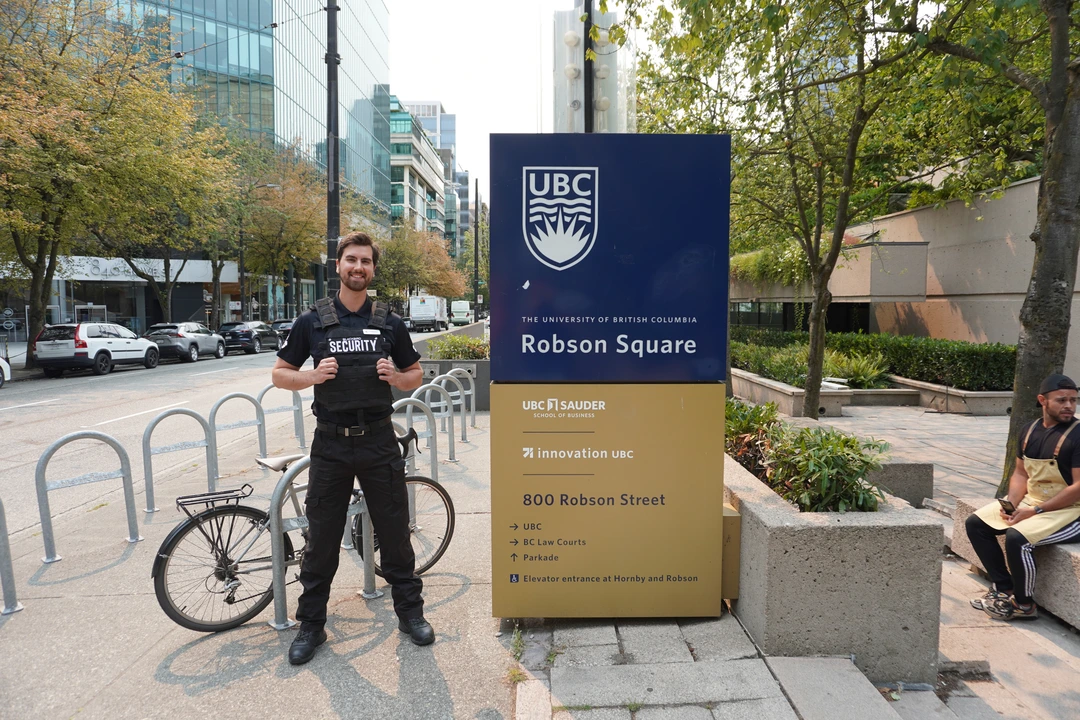
Highly active campuses in major cities, such as UBC and UofT, might use a combination of strategies to handle both commuter and residential activity.
Partner With Canada’s Most Trusted Campus Security Provider
In recent years, campus security has shifted away from being limited to patrols and monitoring to focus more on coordination, communication, and a deeper understanding of how people move through campus spaces.
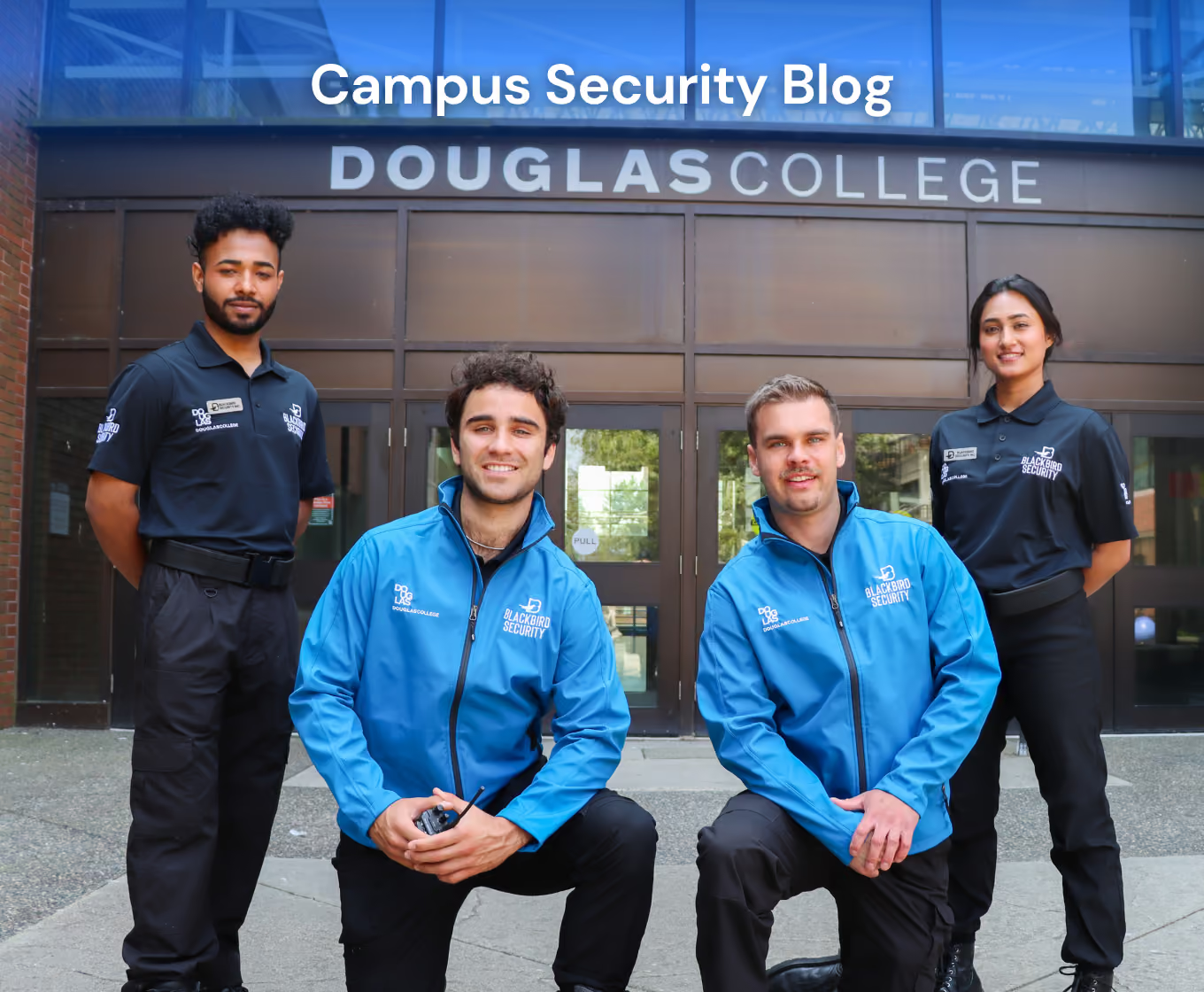
Campus security planned around activity, supported by trained guards, and reviewed regularly, it becomes an integrated part of the whole campus environment rather than a separate operation. This is how our campus security teams at Blackbird protect our partners, including Douglas College, UBC, Quad at York, and more.
If you’re reviewing your current approach to campus security, it may be worth looking at how well your coverage aligns with your campus’s daily operations. Contact us to learn how a more tailored approach can support your campus safety strategy.

Frequently Asked Questions About Campus Security
What is campus security?
Campus security refers to the systems, personnel, and processes used to maintain safety across educational environments. This includes security guards, surveillance systems, access control, and emergency response planning.
What do campus security guards do?
Campus security guards monitor activity, manage access points, assist students and staff, respond to incidents, and help maintain order across the campus.
Why is campus safety important?
Campus safety supports a stable learning and working environment. When people feel safe, they are better able to focus on their academic, professional, and personal responsibilities.
Are campus security services customizable?
Yes. Effective campus security services are tailored to each campus based on layout, population, activity levels, and specific risks.

More Articles
Frequently Asked Questions
Key KPIs to track include:
- Incident response times: Faster responses to alarms or emergencies.
- Reduction in theft/vandalism: Compare loss data before and after implementation.
- Patrol compliance: Track patrol frequency and adherence via GPS or logs.
- False alarm rates: Lower rates ensure focus on real threats.
- Client/Employee satisfaction: Gather feedback to measure confidence in security.
- Client services: Dedicated account representative who supports ongoing needs & can adjust strategy as needed
- Allowing access to our 24/7 Control centre for all clients, which is based out of our head office in Vancouver, BC. Clients can call this centre and have a mobile guard swiftly deployed to their business for any spontaneous incidents that occur. We believe in operating it inhouse to ensure all services are streamlined and optimized for the best communication. Our control canter can be reached at this number for current clients: 1-888-991-2622.
- We have a dedicated client services team which directly communicates with clients on a day-to-day basis. Our client services often perform site check ups and can assist with any issues that arise at your business.
Your peace of mind is our priority. We’re more than a service provider—we’re a partner in protecting your business. With our team working tirelessly to anticipate and resolve challenges, you can focus on running your business with confidence, knowing we’re always here to support you. Together, we build safer environments and stronger partnerships, every step of the way.
Secure Your Operation Today