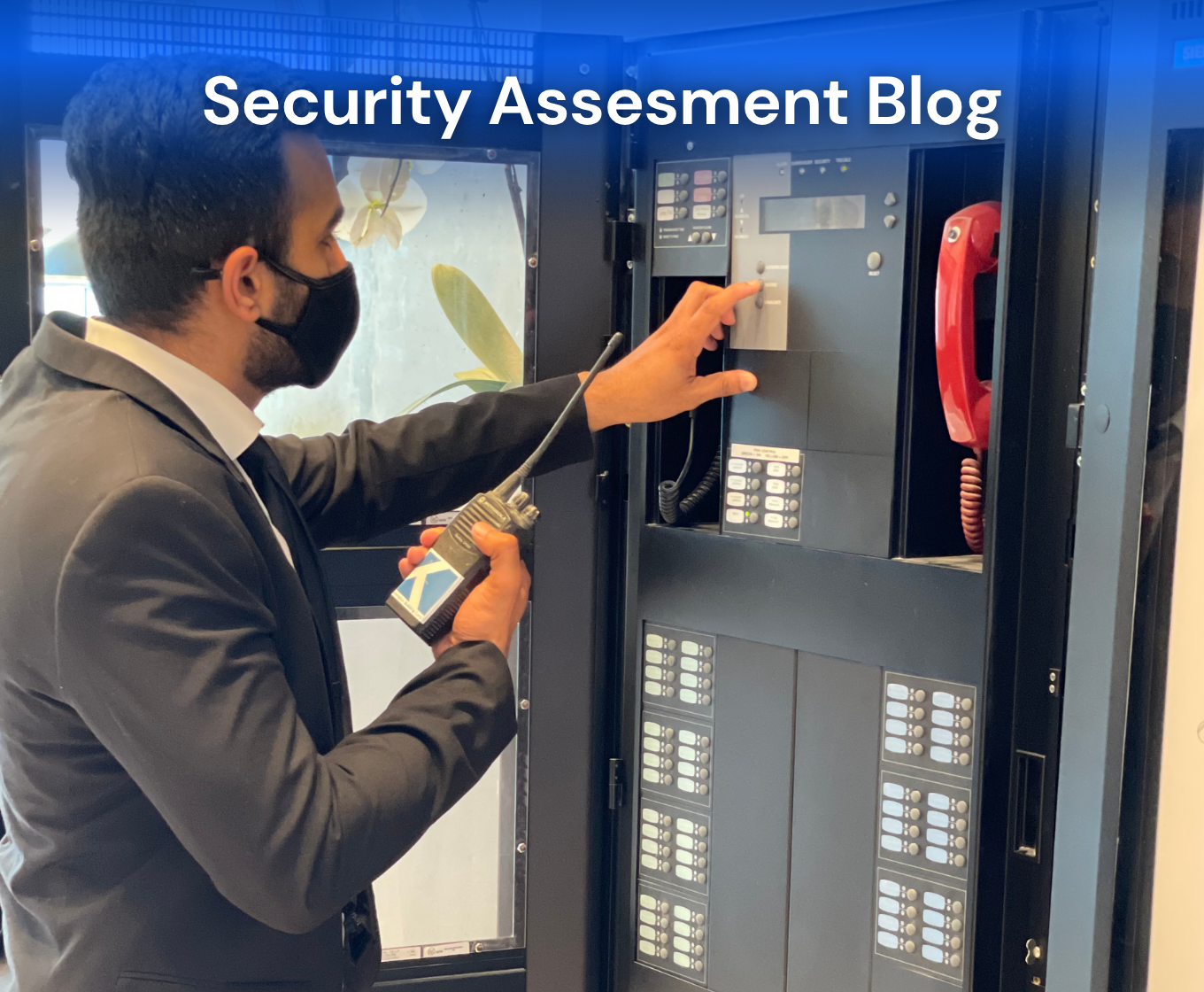
Does My Canadian Business Need a Security Risk Assessment?

If your business has added security measures over time, each change was likely in response to a specific incident. You may have added security cameras after a break-in, hired a security guard after a string of shoplifting incidents, or changed the locks after an employee left and never returned their key. While these decisions make sense, a reactive security strategy can create gaps and oversights. Fortunately, there’s a solution.
A security risk assessment reviews your entire security strategy at once, allowing you to make decisions based on your business’s risks rather than the most recent thing that went wrong. In this blog, we’ll cover what a security risk assessment is, what it covers, and what to expect.
Key Takeaways
- A security risk assessment identifies where your business is vulnerable and what to prioritize.
- Businesses that have recently expanded, changed, or experienced an incident are good candidates for an assessment.
- Blackbird Security offers free security assessments for businesses across Canada.
What Is a Security Risk Assessment?
A security risk assessment involves a professional, step-by-step review of your property, operations, and existing security measures. The goal is to understand what could go wrong, how likely it is, and what it would cost your business if it happened.
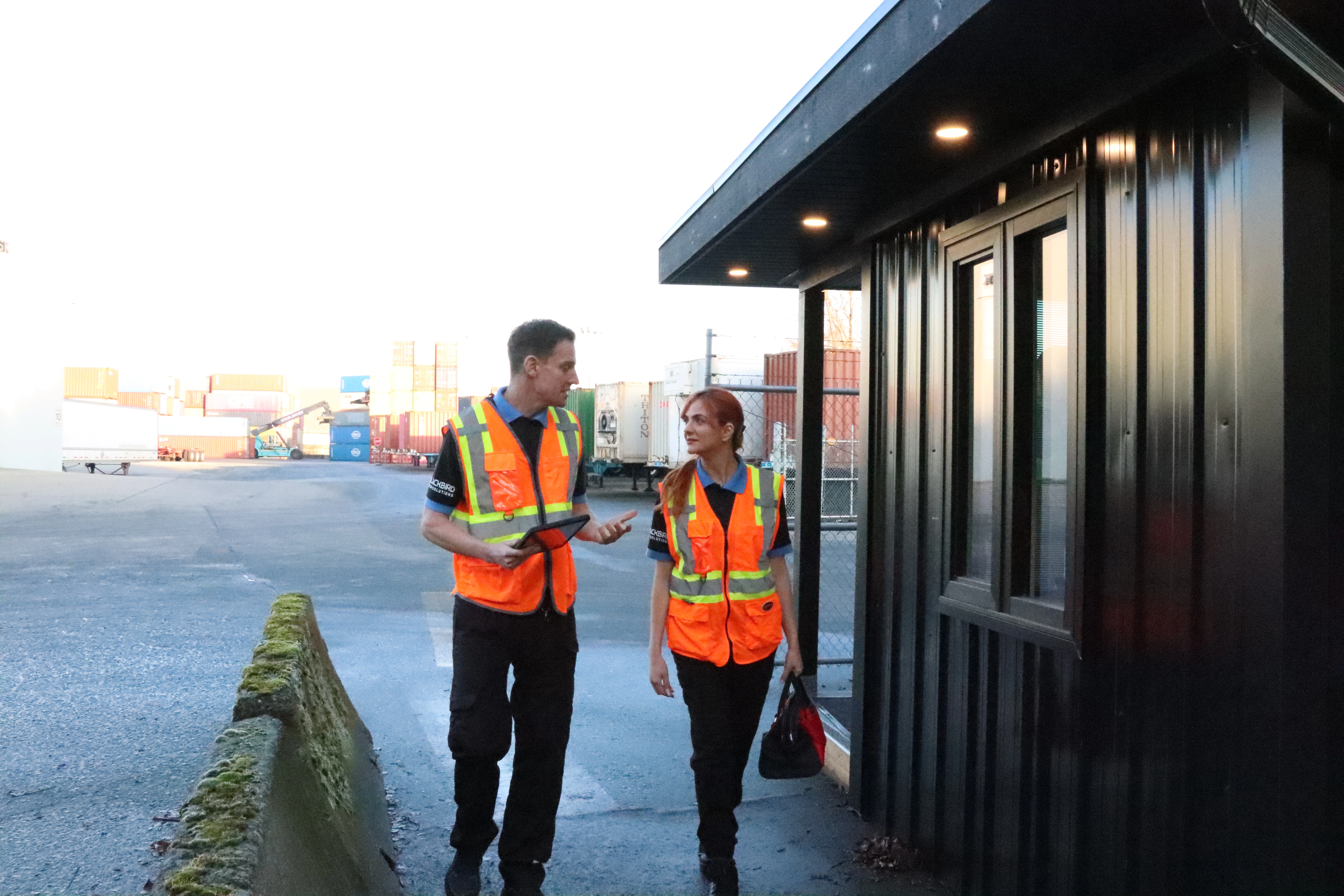
A security risk assessment often involves a thorough walk-through of your business’s premises and conversations with your business’s leadership. At the end of an assessment, you receive a set of recommendations based on findings about your property.
Ultimately, an assessment gives you concrete details about how your business operates and a plan of action to close the gaps it finds.
What a Security Risk Assessment Looks At
A security risk assessment aims to be as thorough as possible. It examines your property’s layout, how your business runs day-to-day, and the security measures in place to protect it. Key points typically include:
- The property’s entry points and perimeter.
- Security camera placement and blind spots.
- Existing security measures, such as security guards, alarms, and access control.
- The business’s asset value and locations of high-value inventory or equipment.
- Staff activity, including shift changes and after-hours activity.
- Incident history and recurring problems.
- The surrounding area and local crime trends.
- Emergency procedures, including fire and emergency evacuation plans.
Taken together, these factors reveal problems and oversights that are easy to miss when each element is considered on its own. For example, optimized security camera placements won’t help much if a side door is often propped open during shift changes. A security risk assessment aims to find these missed gaps that are easily overlooked during daily operations.
When Does Your Business Need a Security Risk Assessment?
There’s no bad time to get an assessment, but some events can be a sign that it’s time to take a closer look. Your business may need an assessment if:
- You’ve opened a new location or expanded your current one.
- You’ve recently experienced theft, a break-in, or a safety incident.
- Your hours, staffing, or inventory have changed.
- You’re renewing your insurance or your insurer has asked about your security.
- You’ve never had an assessment, or it’s been over a year since your last one.
- You’re considering hiring security guards or installing a new system and aren’t sure what you need.
If more than one of these applies to your business, an assessment is likely worth it.
Workplace Safety and Insurance Considerations in Canada
Security risk assessments aren’t legally required. However, importantly for Canadian businesses, some provinces do require employers to assess the risk of workplace violence. For example:
- In Ontario, the Occupational Health and Safety Act requires employers to assess the risk of workplace violence.
- In BC, WorkSafeBC requires employers to complete a risk assessment where workers may be at risk of violence on the job.
- In Alberta, the Occupational Health and Safety Code requires employers to assess violence and harassment hazards.
A security risk assessment isn't a replacement for a workplace safety assessment, but it can provide information to help support it.
Insurance is another consideration. Some insurers may ask about your security measures when renewing your policy, and a security risk assessment gives you documentation to share with them.

What Happens During a Security Risk Assessment
Often, the security risk assessment process is simpler than business owners expect. While every provider conducts an assessment differently, most follow these general steps:
- Your provider learns about your business, your concerns, and any past incidents through an initial conversation.
- The provider tours your property’s interior and exterior, noting entry points, blind spots, and potential problem areas.
- The provider reviews your existing security measures and how well they’re working.
- Finally, you receive a plan based on the assessment’s findings, prioritized by risk and budget.
A good assessment should recommend what fits your business, rather than strictly the service the provider sells. For example, if staff are regularly forgetting to lock a back door at closing, the fix might be a simple lock-up checklist rather than hiring an overnight guard.
What You Get After an Assessment
A security risk assessment shouldn’t just provide you with a quote for security services. Rather, a good assessment gives you:
- A solid idea of your business’s vulnerabilities and risks.
- A list of recommendations ranked by priority.
- A plan that fits your budget and allows you to implement changes in stages if needed.
- Documentation you can share with management, insurers, or landlords.
Perhaps most importantly, you'll no longer have to wonder whether you've missed something with your business’s security strategy. You'll know exactly where you stand and come away with a plan for what to do next.
How Often Should You Reassess?
Your security needs change as your business grows, so an assessment from three years ago might not reflect your current risks. The right window between risk assessments can vary depending on your business’s size and operations, but as a general rule, it’s worth reassessing at least once a year or any time your business changes significantly.
This might include opening a new location, renovating your property, growing your team, bringing in new or higher-value inventory, or experiencing a security incident.
Book a Free Security Assessment With Blackbird Security
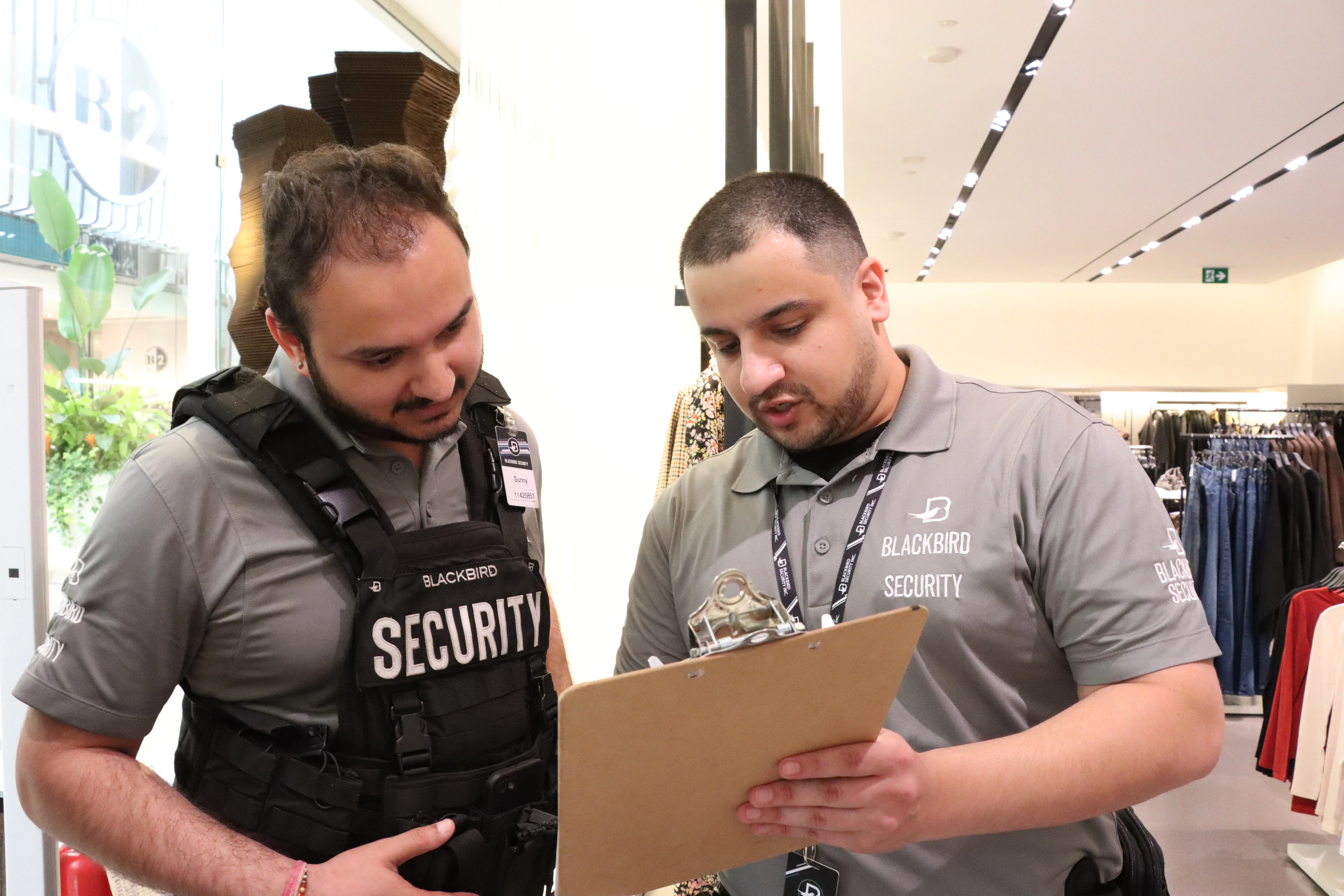
At Blackbird Security, we offer free security assessments for businesses across Canada. Our physical security division assesses security guard coverage, mobile patrol needs, and loss prevention, while our technology division, Blackbird Tech, assesses security cameras, intrusion alarms, and access control.
Every recommendation we make is based on your property, your risks, and your budget. Contact us today to book your free assessment.
FAQs About Security Risk Assessments
What is a security risk assessment?
A security risk assessment reviews your property, operations, and existing security measures, identifying your business’s vulnerabilities and providing recommendations based on those findings.
How long does a security risk assessment take?
It depends on the size and complexity of your property. A smaller business may be assessed in a single visit, while larger properties or businesses with multiple locations may take longer.
How much does a security risk assessment cost?
Costs vary between providers. At Blackbird Security, we offer free security assessments for businesses across Canada, so you can understand your risks before committing to any changes.
Is a security risk assessment required by law in Canada?
A full security risk assessment isn’t generally required by law, but some provinces, including Ontario, British Columbia, and Alberta, require employers to assess the risk of workplace violence. A security risk assessment can help support those assessments, but doesn’t replace them.
How often should a business have a security risk assessment?
Most businesses should reassess at least once a year, or whenever something significant changes, such as opening a new location, changing hours or staffing, or experiencing a security incident.

More Articles
Frequently Asked Questions
Key KPIs to track include:
- Incident response times: Faster responses to alarms or emergencies.
- Reduction in theft/vandalism: Compare loss data before and after implementation.
- Patrol compliance: Track patrol frequency and adherence via GPS or logs.
- False alarm rates: Lower rates ensure focus on real threats.
- Client/Employee satisfaction: Gather feedback to measure confidence in security.
- Client services: Dedicated account representative who supports ongoing needs & can adjust strategy as needed
- Allowing access to our 24/7 Control centre for all clients, which is based out of our head office in Vancouver, BC. Clients can call this centre and have a mobile guard swiftly deployed to their business for any spontaneous incidents that occur. We believe in operating it inhouse to ensure all services are streamlined and optimized for the best communication. Our control canter can be reached at this number for current clients: 1-888-991-2622.
- We have a dedicated client services team which directly communicates with clients on a day-to-day basis. Our client services often perform site check ups and can assist with any issues that arise at your business.
Your peace of mind is our priority. We’re more than a service provider—we’re a partner in protecting your business. With our team working tirelessly to anticipate and resolve challenges, you can focus on running your business with confidence, knowing we’re always here to support you. Together, we build safer environments and stronger partnerships, every step of the way.
Secure Your Operation Today