
Retail Loss Prevention: What Are the 4 Types of Shrinkage?
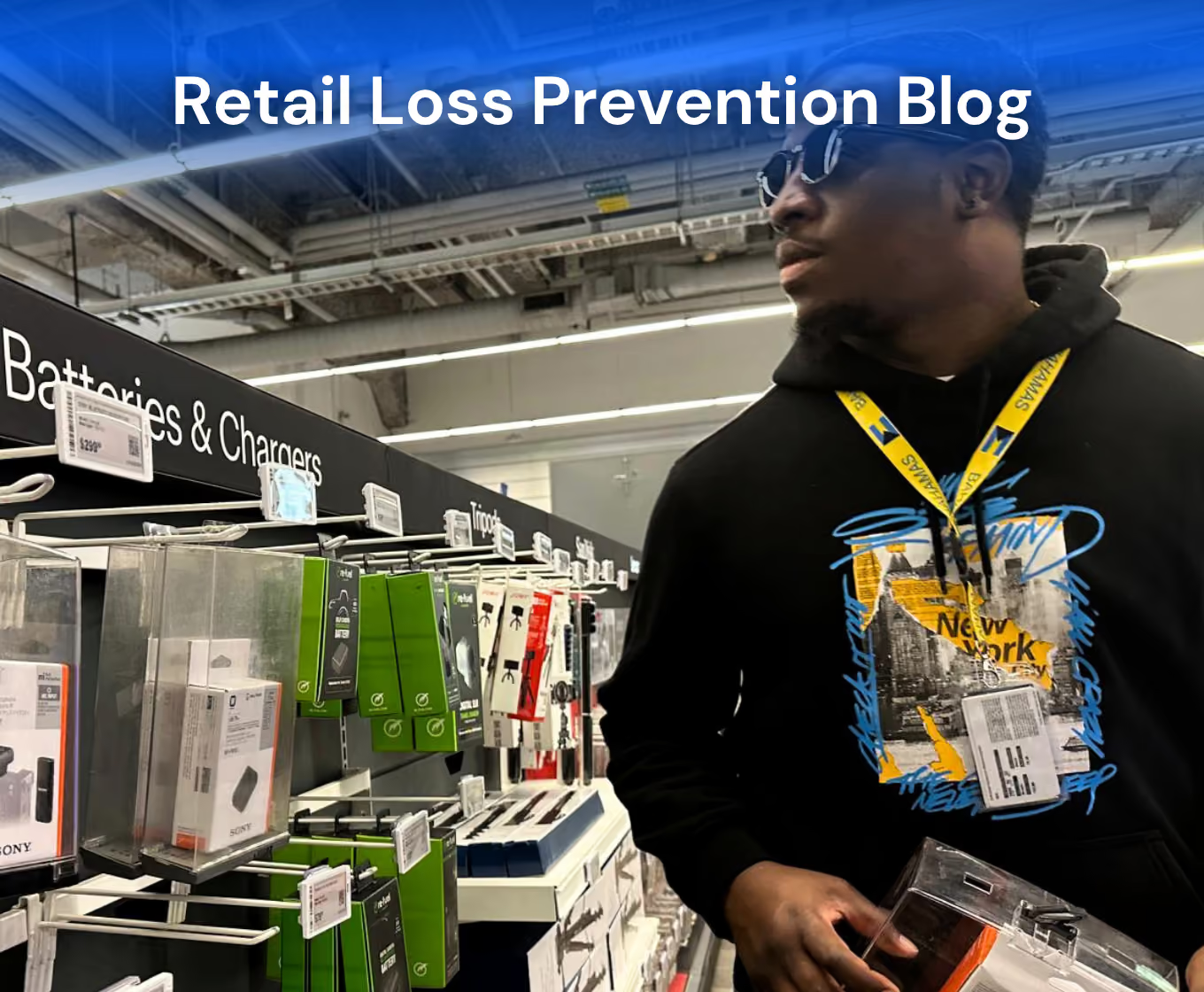
Retail shrinkage is one of the most persistent challenges stores of all sizes face. If you own or operate a retail business, you’re likely well familiar with how much of a problem shrinkage can be. You likely also know how difficult it can be to pin down the exact source of shrinkage.
There are four distinct types of shrinkage, and each one requires a different approach to combat. Knowing what you’re up against is the first step in addressing shrinkage and supporting retail loss prevention at your store. This blog will break down each type, explain what they look like in practice, and provide insights into how you can improve your retail security strategy.
Key Takeaways
- The four types of shrinkage are external theft, employee theft, administrative error, and vendor fraud.
- Each type of shrinkage requires a different loss prevention approach to address.
- Despite how much they contribute to overall shrinkage, employee theft and administrative error are often underestimated when compared to external theft.
- Professional retail security and loss prevention help reduce shrinkage across all four categories.

What Is Shrinkage?
Shrinkage refers to the loss of inventory or revenue that doesn't come from a sale. In other words, it's inventory or revenue that leaves a business without being properly accounted for. This includes things like shoplifted inventory (whether external or internal) and cash missing from tills.
Shrinkage is a major problem for Canadian retailers. According to the Retail Council of Canada, Canadian businesses lose over $8 billion per year to shrinkage. For individual businesses, even a small shrinkage rate can compound over time, causing a significant hit to your bottom line over the year.
Each of the four types of shrinkage contributes to losses differently, which is why it’s important for retailers to address all four rather than focusing on just one. In the next sections, we’ll dive into each type of shrinkage.
1. External Theft
External theft is what most people think of first when they picture loss prevention. It refers to theft committed by people outside the business, most commonly petty shoplifters, but also by organized retail crime (ORC) groups.
External theft falls into two main categories. The first is opportunistic shoplifting, where an individual steals items for personal use. The second is ORC, in which coordinated groups target high-value merchandise for resale, often hitting multiple store locations in quick succession. When they occur, ORC thefts can be extremely dangerous for bystanding shoppers and staff members, with many thefts leading to violent encounters.
It’s difficult for store staff to monitor for theft while performing their standard job duties and serving customers. That's where loss prevention operatives (LPOs) and retail security guards come in.
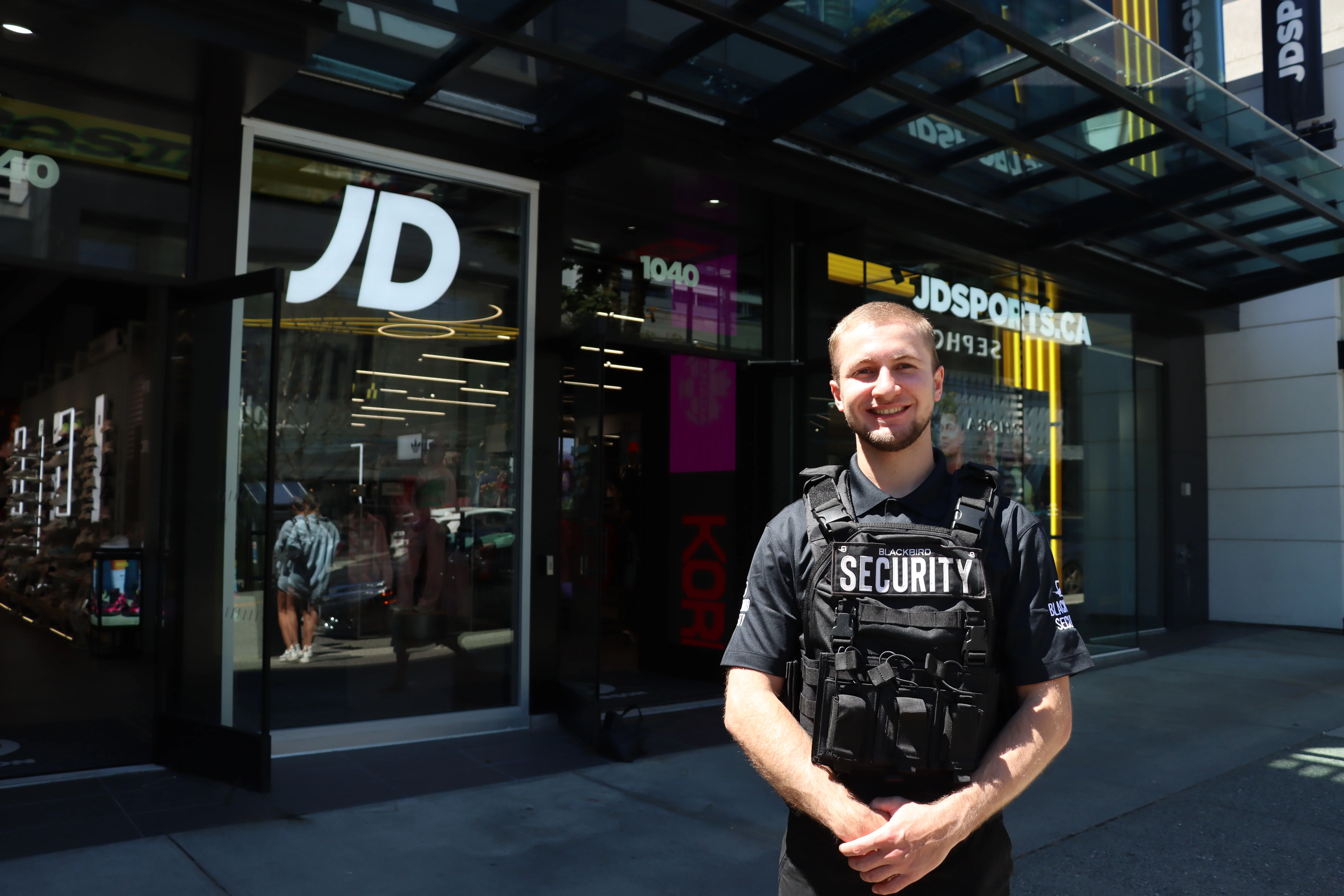
Undercover LPOs are retail security specialists who closely monitor for signs of theft and suspicious behaviour. These guards wear plainclothes, rather than uniforms, allowing them to closely observe shoppers on the store floor. Meanwhile, the presence of retail security guards effectively deters would-be shoplifters before an incident occurs.
At Blackbird Security, we provide retail loss prevention services to clients across Canada, including H&M, Sephora, UNIQLO, Best Buy, and MEC.
2. Employee Theft
Employee theft (AKA internal shrinkage) is one of the most underestimated sources of retail loss. Since it occurs from the inside, it tends to go undetected for much longer than shoplifting, allowing losses to accumulate significantly over time.
Common forms of employee theft include:
- Pocketing cash from sales transactions.
- Processing fraudulent refunds or discounts for friends and family.
- Sweethearting, where a cashier doesn't scan items for someone they know at checkout.
- Stealing merchandise directly from stockrooms or receiving areas.
- Manipulating inventory records to hide missing product.
As employees have greater access to systems, stockrooms, and cash than outside shoplifters do, this type of shrinkage is harder to detect and easier to sustain. Addressing it requires a combination of internal coverage, security camera monitoring of stockrooms and point-of-sale areas, and LPOs trained to watch for the signs of employee theft.
3. Administrative Error
The impact of administrative error on a store’s bottom line can be severe, though it’s typically the least visible of the four types of shrinkage. It refers to losses resulting from mistakes made by store staff, rather than intentional theft. Common examples of administrative errors include:
- Items being incorrectly scanned at checkout.
- Incorrect pricing applied to products.
- Errors during receiving, where shipments are logged incorrectly.
- Damaged or expired goods that aren't properly written off.
- Data entry mistakes in inventory management systems.
Small errors repeated over time can compound into major discrepancies. Regular audits, consistent internal processes, and employee training can help stop administrative errors and protect your store’s profits.
4. Vendor Fraud
Vendor fraud is another type of shrinkage that often goes unnoticed, although it can be a serious issue for retailers with high delivery volumes. It refers to losses resulting from mistakes or dishonest behaviour by suppliers or delivery personnel. Vendor fraud often looks like:
- Short shipments, where fewer items are delivered than invoiced.
- Lower-quality goods substituted for products ordered.
- Falsified delivery documentation.
Monitoring receiving procedures, installing CCTV cameras in receiving areas, and conducting regular audits are the most effective ways to quickly flag potential discrepancies and catch vendor fraud before losses add up and disrupt your business.
How Retail Loss Prevention Makes a Difference
As a business operator, you and your team are likely extremely busy each day. You likely don’t have the bandwidth to keep a close eye on your entire store, especially for the more covert types of shrinkage. That’s why a comprehensive retail loss prevention strategy is so valuable. It provides cover for all four categories of shrinkage through trained guards and vigilant monitoring.
LPOs and retail security guards deter external theft, identify internal theft, and help management spot patterns that might otherwise go unnoticed. When losses due to shrinkage can lead to significant financial strain, the cost of retail security services is a worthwhile tradeoff.
Partner With Blackbird Security for Retail Loss Prevention
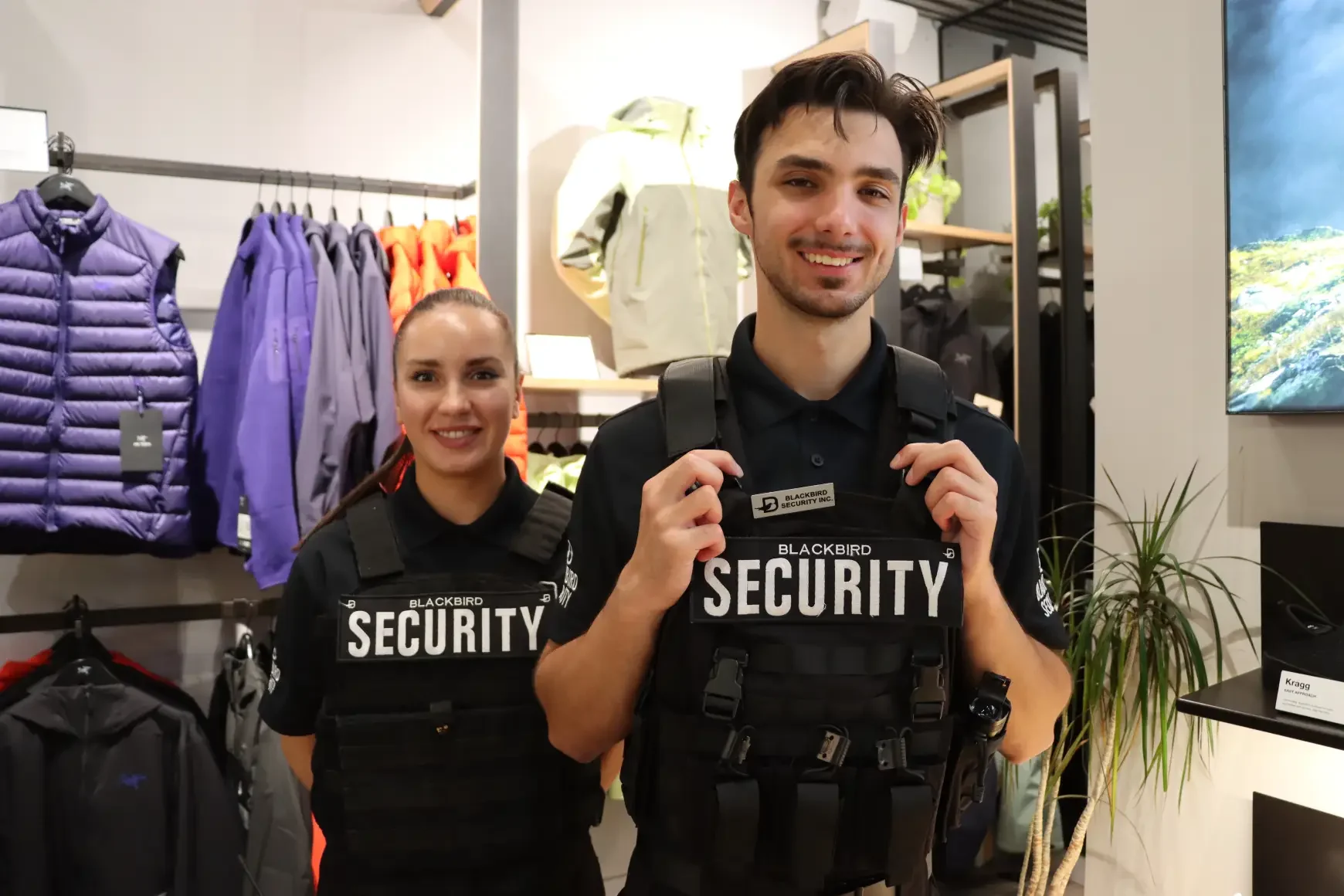
Being aware of each of the four types of shrinkage is only the first step. At Blackbird Security, our LPOs and retail security guards are trained in customer service, conflict resolution, peaceful de-escalation, and crisis intervention. Our teams have experience in a wide range of Canada’s top retail stores, from Canadian Tire and Dollarama to Zara and Arc’teryx.
Contact us to learn how our retail loss prevention services can protect your business.
Frequently Asked Questions About Retail Loss Prevention
What is retail shrinkage?
Retail shrinkage refers to the loss of inventory or revenue that doesn't come from a legitimate sale. Canadian retailers lose over $8 billion a year to shrinkage across all four categories.
What are the four types of retail shrinkage?
The four types of retail shrinkage are:
- External theft, including shoplifting and organized retail crime.
- Employee theft, internal theft by staff members.
- Administrative error, losses from admin mistakes by staff members.
- Vendor fraud, dishonest practices by suppliers or delivery personnel.
What is the most common type of retail shrinkage?
External theft, particularly shoplifting, is the most visible and widely recognized form of shrinkage. However, employee theft is more common and a larger contributor than retailers realize, as it often goes undetected for longer and can accumulate significant losses over time.
How does retail loss prevention reduce shrinkage?
Retail loss prevention reduces shrinkage through a combination of trained personnel, visible deterrence, CCTV coverage of high-risk areas, and strong internal controls. Undercover loss prevention operatives (LPOs) monitor shoppers for indicators of theft and suspicious behaviour and identify patterns through reporting.
Does Blackbird Security provide retail loss prevention services?
Yes. Blackbird Security provides retail loss prevention services to businesses across Canada, including major retailers like H&M, Sephora, UNIQLO, Best Buy, and MEC.

Plus d'articles
Foire aux questions
Les principaux KPI à suivre comprennent :
- Délais de réponse aux incidents : réponse plus rapide aux alarmes ou aux urgences.
- Réduction du vol et du vandalisme : comparer les données sur les pertes avant et après la mise en œuvre.
- Conformité des patrouilles : Suivez la fréquence et le respect des patrouilles au moyen du GPS ou des registres.
- Taux de fausses alarmes : Des taux plus bas permettent de mettre l'accent sur les menaces réelles.
- Satisfaction des clients/employés : Recueillir des commentaires pour mesurer la confiance à l'égard de la sécurité.
- Services à la clientèle : représentant de compte dédié qui répond aux besoins continus et peut ajuster la stratégie au besoin
- Permettre l'accès à notre centre de contrôle 24 heures sur 24, 7 jours sur 7 pour tous les clients, qui est basé à notre siège social à Vancouver, en Colombie-Britannique. Les clients peuvent appeler ce centre et faire en sorte qu'un gardien mobile soit rapidement déployé dans leur entreprise pour tout incident spontané qui se produit. Nous croyons qu'il faut l'exploiter en interne pour nous assurer que tous les services sont rationalisés et optimisés pour la meilleure communication. Pour les clients actuels, nous pouvons joindre notre centre de contrôle au numéro suivant : 1-888-991-2622.
- Nous avons une équipe dédiée au service à la clientèle qui communique directement avec les clients au quotidien. Nos services à la clientèle effectuent souvent des vérifications de site et peuvent vous aider à résoudre tout problème qui survient dans votre entreprise.
Votre tranquillité d'esprit est notre priorité. Nous sommes plus qu'un fournisseur de services — nous sommes un partenaire pour protéger votre entreprise. Grâce à notre équipe qui travaille sans relâche pour anticiper et résoudre les défis, vous pouvez vous concentrer sur la gestion de votre entreprise en toute confiance, sachant que nous sommes toujours là pour vous soutenir. Ensemble, nous bâtissons des environnements plus sécuritaires et des partenariats plus solides à chaque étape du processus.
Sécurisez vos opérations dès aujourd'hui