5 Ways Professional Shelter and Social Housing Security Creates a Sense of Community
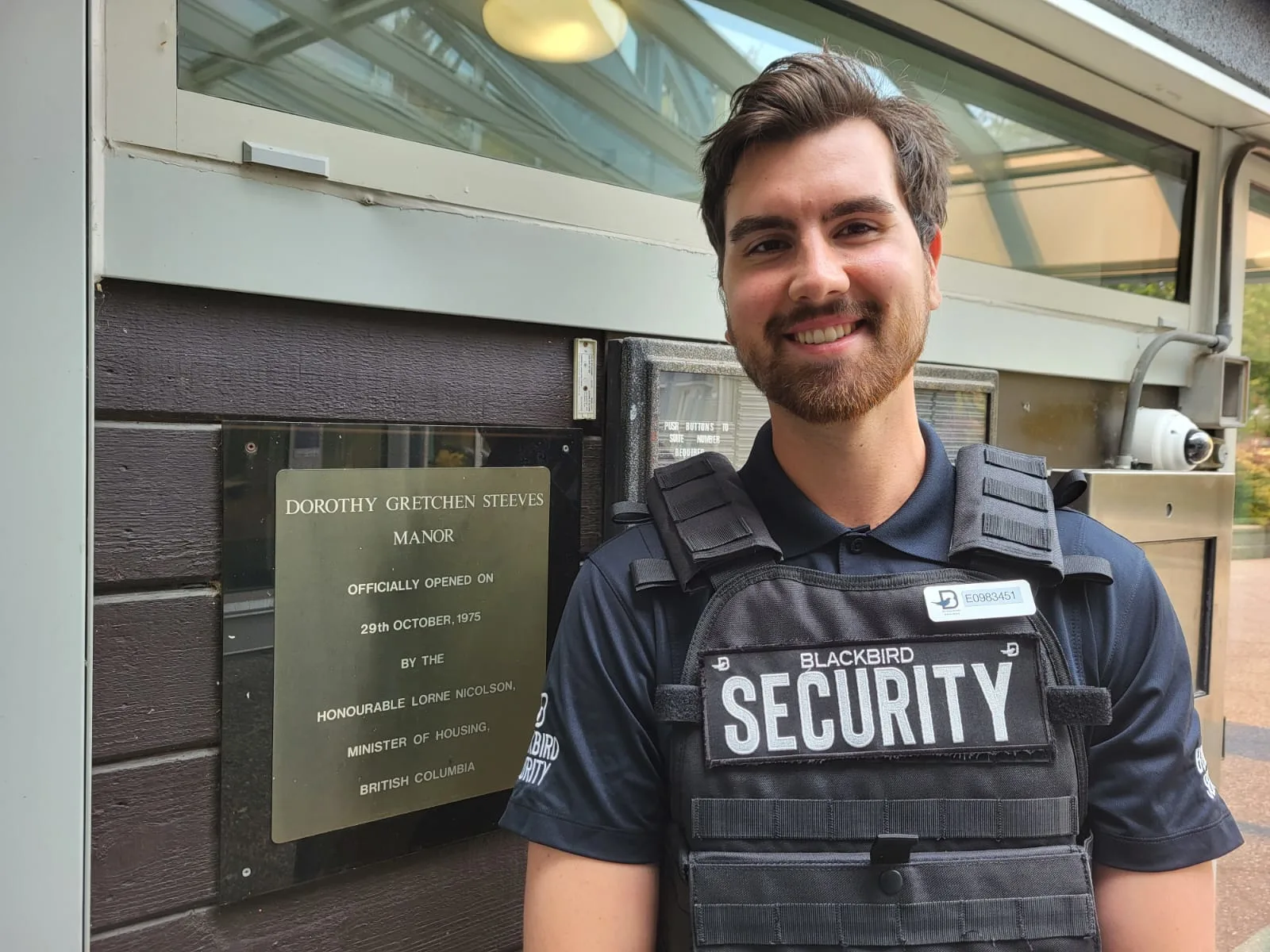
Safety and community go hand in hand. In shelters and social housing, where residents often face significant challenges, safety is the foundation that enables them to achieve stability and healing, engage with their communities, and explore available resources.
Shelter and social housing security guards prevent incidents and ensure residents' physical safety. However, they also actively contribute to a living environment where residents feel respected, supported, and comfortable. Here are five ways professional social housing security services create a genuine sense of community.
Key Takeaways
- Shelter and social housing security services are most effective when they prioritize residents.
- Security guards trained in de-escalation, mental health awareness, and cultural sensitivity are best equipped to build trust with residents.
- Approachable security guards encourage residents to report concerns and seek help early.
- The best shelter security guard teams understand the unique challenges of social housing and operate with professionalism and compassion.
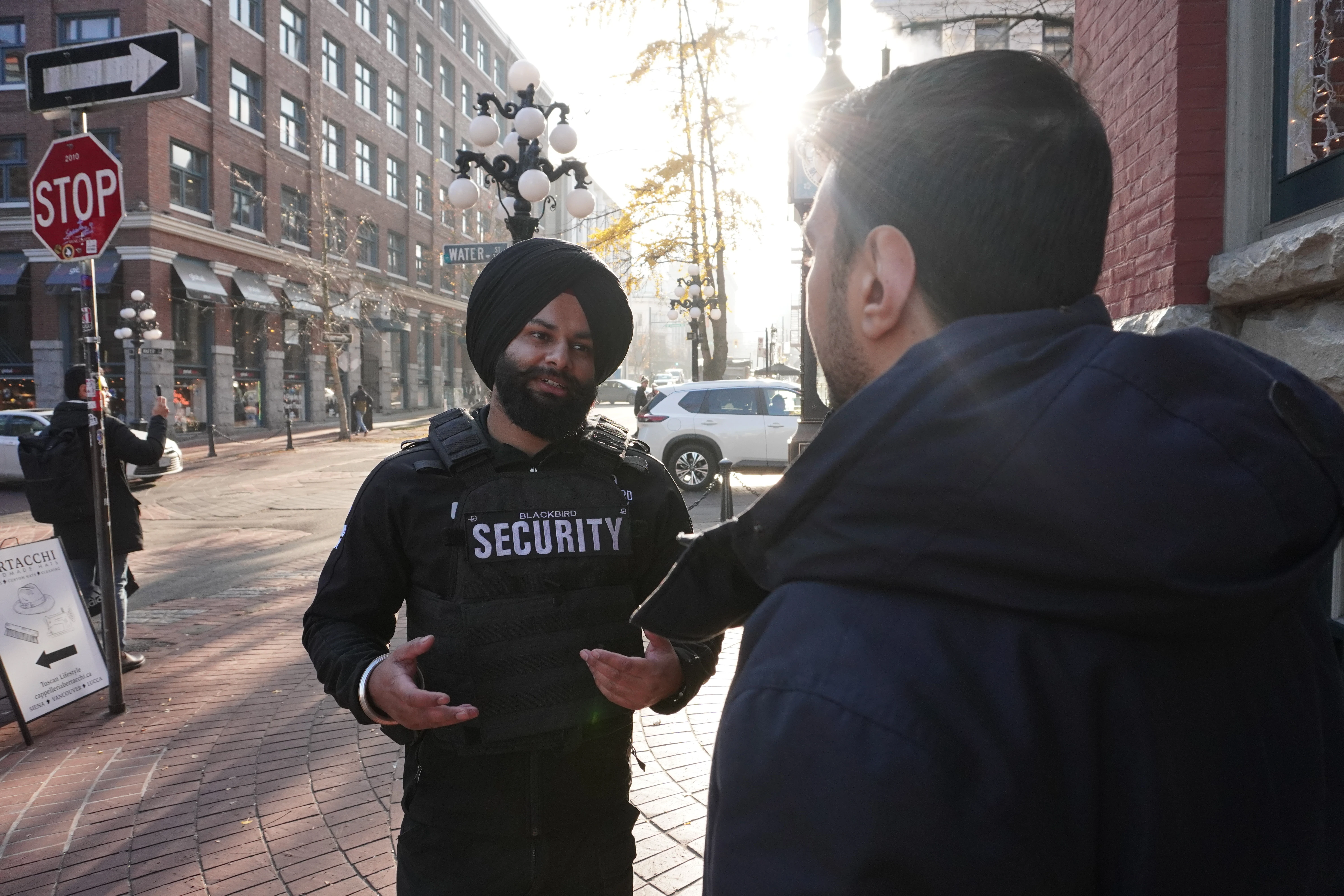
1. Building Genuine Rapport With Residents
Trust is extremely valuable in shelter and social housing environments, which is why it’s critical that security guards build rapport with residents. Residents who feel comfortable approaching their security team are more likely to report concerns early, flag safety concerns before they escalate, and cooperate during emergencies.
On the other hand, guards who are seen as authority figures to be avoided are less effective than those who are seen as trusted, familiar, and genuinely helpful.
With time and consistency, guards build trust with residents. This often looks like:
- Greeting residents and visitors professionally.
- Learning familiar faces and names.
- Following up with residents after incidents from a place of care.
- Being approachable and accessible throughout their shift.
Additionally, guards benefit from learning skills to help them better accommodate residents. At Blackbird Security, our guards receive training in customer service, cultural sensitivity, and crisis prevention through our industry-leading in-house training program, Blackbird Academy. Through our program, guards learn how to navigate real-world situations and treat residents with informed respect and compassion.
2. Prioritizing De-Escalation
Shelter and social housing residences can be high-stress places. Residents may be experiencing mental health challenges, substance use, trauma, or housing instability, all of which can contribute to heightened emotions and conflict. As a result, guards must prioritize consistent de-escalation.
A guard who responds to conflict with forcefulness often makes situations worse. Meanwhile, a guard trained in de-escalation tactics can resolve conflicts peacefully, before they turn into crises.
Here’s what de-escalation looks like in practice:
- Recognizing early signs of distress or escalating behaviour.
- Using calm, clear, non-confrontational communication.
- Allowing residents to express concerns.
- Involving support workers or supervisors when additional help is needed.
Verbal de-escalation is one of the most important tools a shelter security guard has at their disposal. That’s why we train our guards in peaceful de-escalation, verbal judo, crisis intervention, mental health first aid, and trauma-informed practice through Blackbird Academy.
3. Working With Staff and Social Workers
Social housing security guards serve as part of a social housing community’s team, alongside housing managers, social workers, and outreach staff.
It’s important for guards to communicate proactively with these teams. This can include:
- Post-incident debriefs with support workers.
- Communicating resident concerns to housing managers.
- Flagging maintenance and safety issues.
- Coordinating with emergency services when required.
Security teams that collaborate with social workers, outreach staff, and housing teams help ensure that residents are heard and that the building runs as smoothly as possible.
4. Responding to Medical Emergencies and Overdoses
Medical emergencies and overdoses are a reality in shelters and social housing communities, and guards must be prepared to handle them. While providing first aid during medical emergencies is valuable in all types of security settings, it’s a critical skill that supports both residents and housing staff.
Guards respond to medical emergencies by:
- Assessing the situation and calling 911.
- Administering naloxone in the event of a suspected overdose.
- Providing first aid and keeping the individual stable until paramedics arrive.
- Keeping the area clear and maintaining order.
- Communicating clearly with emergency services and housing staff throughout medical emergencies.
Blackbird Security guards receive naloxone administration and overdose prevention training through Blackbird Academy, in addition to first aid and emergency response training. These skills save lives, and having a security team trained to use them is a significant asset.
5. Creating a Safe Environment Where Community Can Thrive
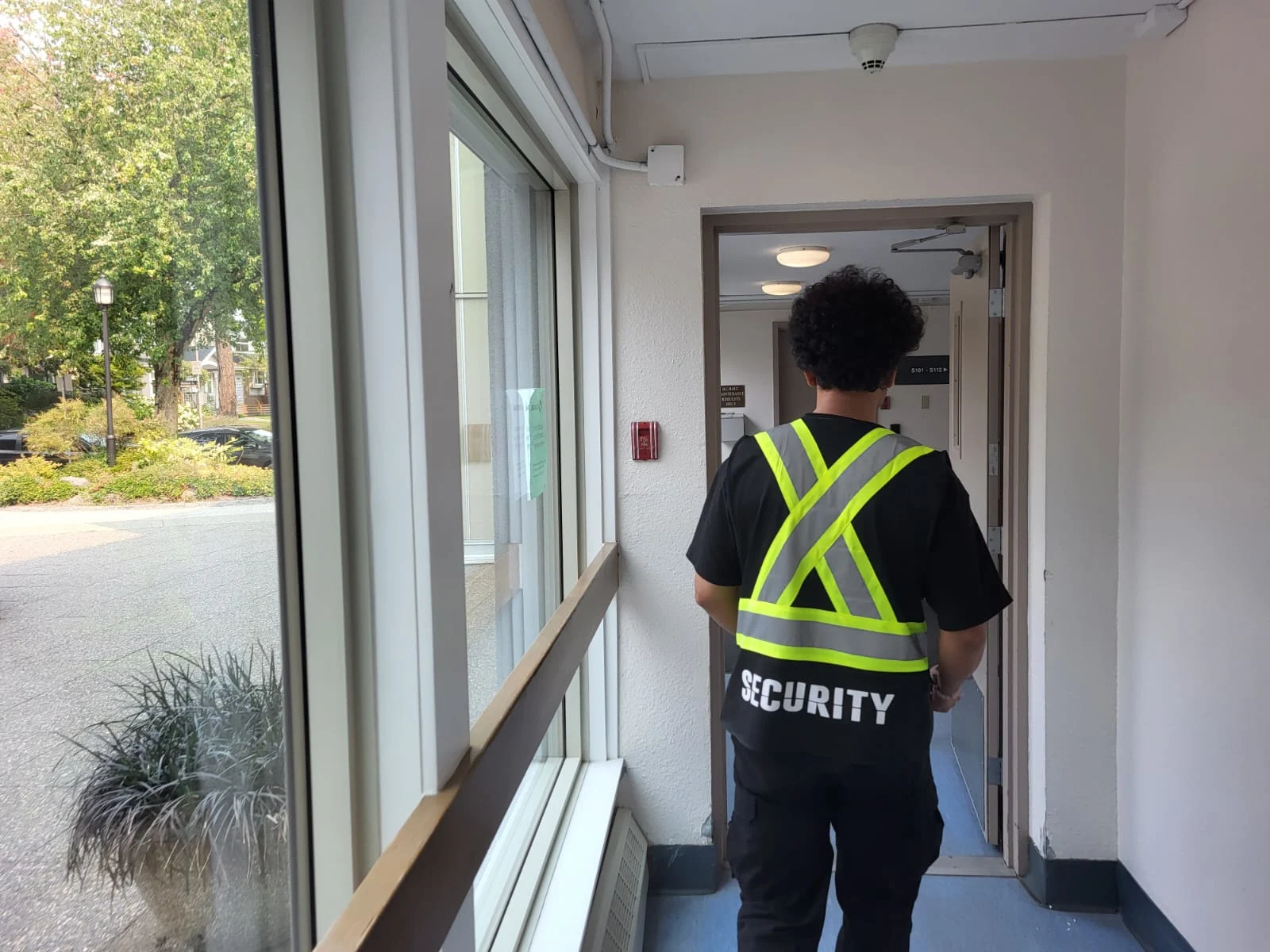
The most important thing that security guards at shelters and social housing facilities do is create a space for members of the building community. When residents feel safe in their building and shared spaces, they have the foundation they need to engage more with support services, build relationships with neighbours, and work towards lasting stability.
Security guards are key to building a safe environment. Guards who are visible, consistent, professional, and who have worked to build residents' trust lead to the best outcomes in shelters and social housing communities.
Partner With Canada’s Leading Shelter and Social Housing Security Services Provider
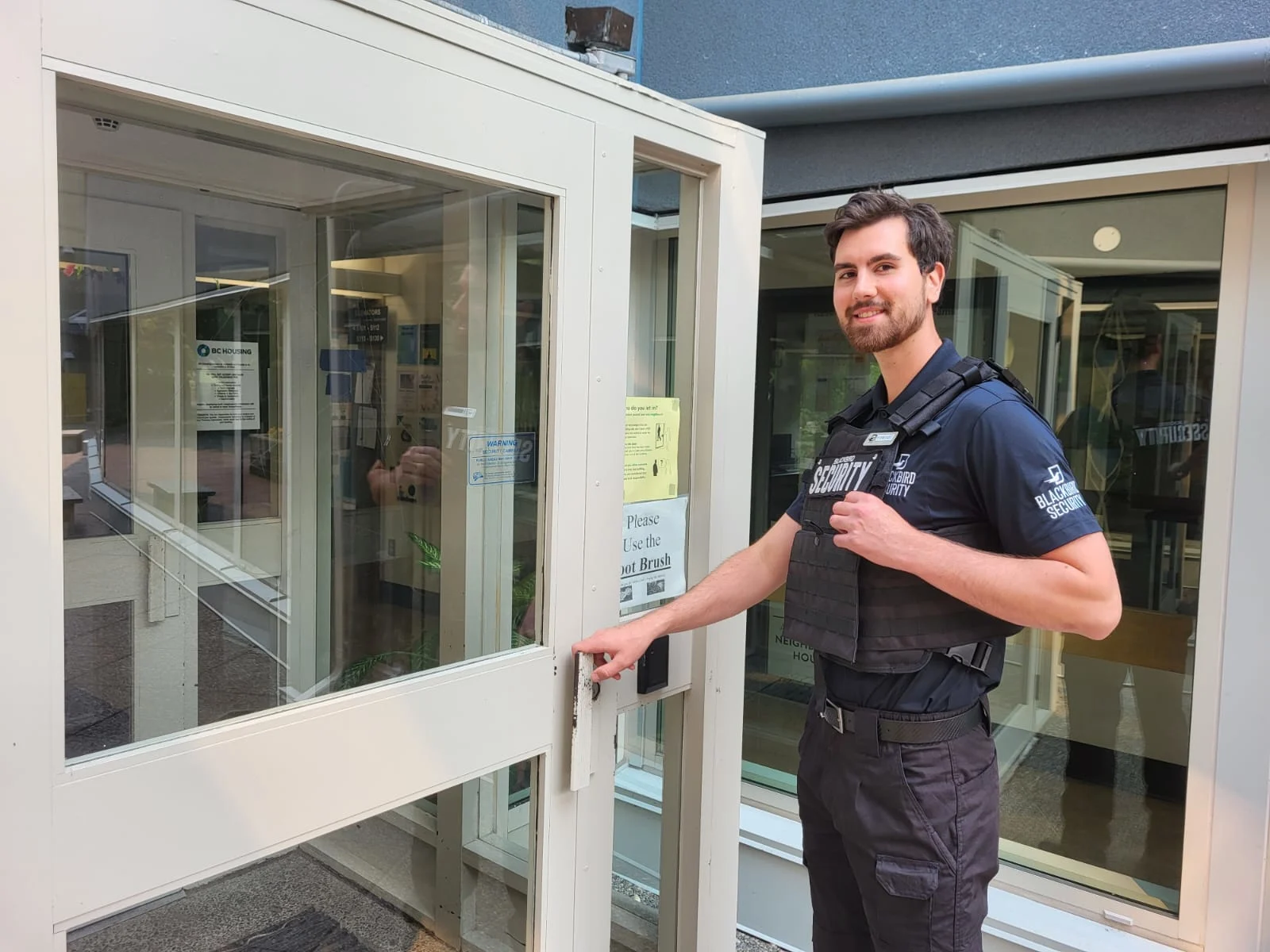
At Blackbird Security, our guards are trained with Canada’s most vulnerable communities in mind. We build our partnerships with social housing and shelters on a shared commitment to resident safety and dignity.
We’re proud to partner with organizations like BC Housing, BC Indigenous Housing Society, Civida Social Housing in Edmonton, and Operation Sharing in Ontario.
If you’re sourcing shelter security services or social housing security services, we’d love to hear from you. Contact us today to learn how we can safeguard your community.
FAQs About Shelter Security and Social Housing Security
What is social housing security?
Social housing security is a professional security service that safeguards affordable housing developments, shelters, and social housing communities. It uses a community-focused approach that prioritizes the well-being of residents, peaceful de-escalation, and collaboration with housing staff and support workers.
What training do social housing security guards need?
Social housing security guards benefit from advanced training in verbal de-escalation, crisis intervention, mental health first aid, trauma-informed practice, cultural sensitivity, naloxone administration, and first aid. Learn more about the training our security guards receive on our Blackbird Academy page.
How does security help build community in social housing?
Professional security guards contribute to the community by building rapport with residents, providing a calm and approachable presence, supporting housing staff and social workers, responding effectively to medical emergencies, and creating an environment where residents feel safe enough to engage with the people and resources around them.

More Articles
Frequently Asked Questions
Key KPIs to track include:
- Incident response times: Faster responses to alarms or emergencies.
- Reduction in theft/vandalism: Compare loss data before and after implementation.
- Patrol compliance: Track patrol frequency and adherence via GPS or logs.
- False alarm rates: Lower rates ensure focus on real threats.
- Client/Employee satisfaction: Gather feedback to measure confidence in security.
- Client services: Dedicated account representative who supports ongoing needs & can adjust strategy as needed
- Allowing access to our 24/7 Control centre for all clients, which is based out of our head office in Vancouver, BC. Clients can call this centre and have a mobile guard swiftly deployed to their business for any spontaneous incidents that occur. We believe in operating it inhouse to ensure all services are streamlined and optimized for the best communication. Our control canter can be reached at this number for current clients: 1-888-991-2622.
- We have a dedicated client services team which directly communicates with clients on a day-to-day basis. Our client services often perform site check ups and can assist with any issues that arise at your business.
Your peace of mind is our priority. We’re more than a service provider—we’re a partner in protecting your business. With our team working tirelessly to anticipate and resolve challenges, you can focus on running your business with confidence, knowing we’re always here to support you. Together, we build safer environments and stronger partnerships, every step of the way.
Secure Your Operation Today