What Buildings Get Wrong About Condo Security
Most condo boards and property managers don’t typically ignore security. In fact, many buildings invest in on-site security coverage and install CCTV cameras. These elements make for a condo security strategy that appears to offer full coverage on the surface. However, we often hear from new clients that their previous condo security provider fell short. So, what’s the issue?
Condo security often fails to meet the mark when the plan in place does not fully reflect how the building actually operates. Residents move in and out throughout the day, deliveries arrive at varying times, amenities are shared, and maintenance crews access different parts of the property. When security procedures don’t align with those patterns, gaps start to form.
If you’re a property manager curious to learn how to strengthen your condo’s security plan, this article is for you. We’re covering some of the most common mistakes buildings make with condo security, and what tends to work better.
1. Treating Condo Security Like a Checklist
Many security providers stick to standard guard schedules and basic tasks without tailoring them to the building’s layout or daily activity. On paper, having a guard, scheduled patrols, and cameras makes it seem like the property is covered.
In reality, condo buildings are dynamic and unique compared to other types of properties that security guards protect. Residents come and go at different times, guests arrive for short visits, and delivery drivers arrive throughout the day. Amenities such as gyms, rooftop patios, and party rooms create additional access points that need oversight.
Common oversights we see include:
- Fixed patrol routes that rarely change.
- Secondary entrances that receive minimal attention.
- Parkades being monitored sporadically.
- Concierge roles that focus heavily on hospitality but lightly on access control.
Over time, when access control feels weak or when some areas are rarely checked, residents notice.
The Fix: Tailored Strategies
A better approach is to tailor the security strategy to the building and adjust it when needed. This means:
- Reviewing incident trends.
- Adjusting patrol times.
- Outlining concierge duties.
- Making sure all access points are checked regularly.
Condominiums are dynamic buildings, so their security strategy should be dynamic, too. Additionally, condo security performs best when guards are attentive, responsive, and friendly to residents, building rapport with them from day to day.
2. Relying Too Heavily on CCTV Cameras
While CCTV systems are essential, they’re often incorrectly viewed as a building’s primary security solution. Cameras record activity, provide documentation, and help police and insurance providers during investigations. What they don’t do is intervene in real time.
In condo buildings, cameras alone cannot:
- Prevent package theft.
- Stop unauthorized individuals from following residents inside.
- Address loitering or vagrancy in parkades.
- Correct misuse of shared amenities.
Without visible security, problems are usually found after they happen. Residents might ask for CCTV footage and submit complaints, but the damage is already done.
The Fix: On-Site Security
Having a security guard on site helps respond to issues as they happen and prevents crime before it starts. When a guard is actually present on your property to respond to resident concerns, address pressing security problems, and monitor the condition of the building, residents feel safer. The best condo security strategies use cameras to support, not replace, real human oversight.
3. Underestimating the Front Desk
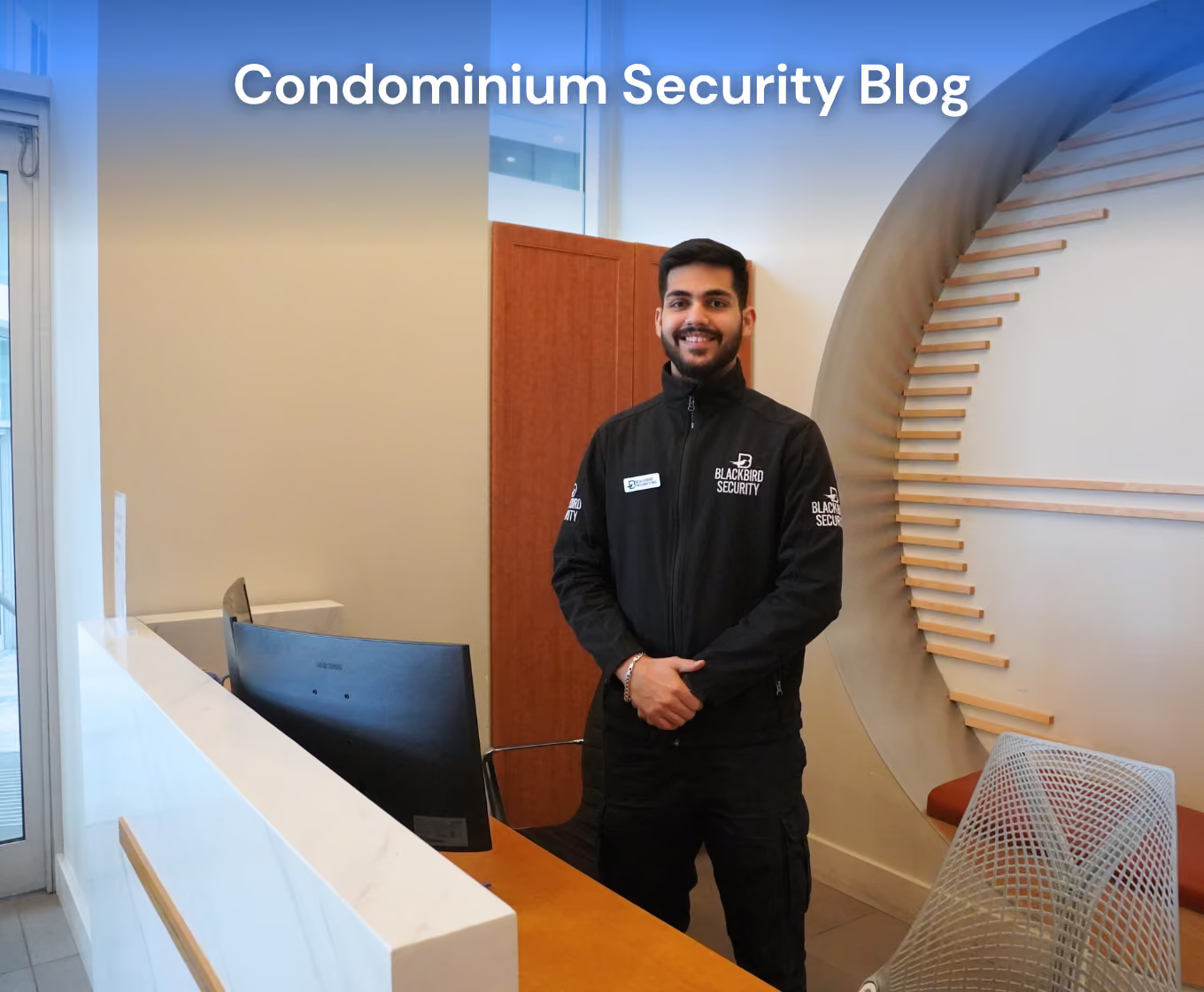
The concierge desk is the most visible part of condo security, yet concierge security guards are often underestimated, or worse, left out of condo security strategies entirely.
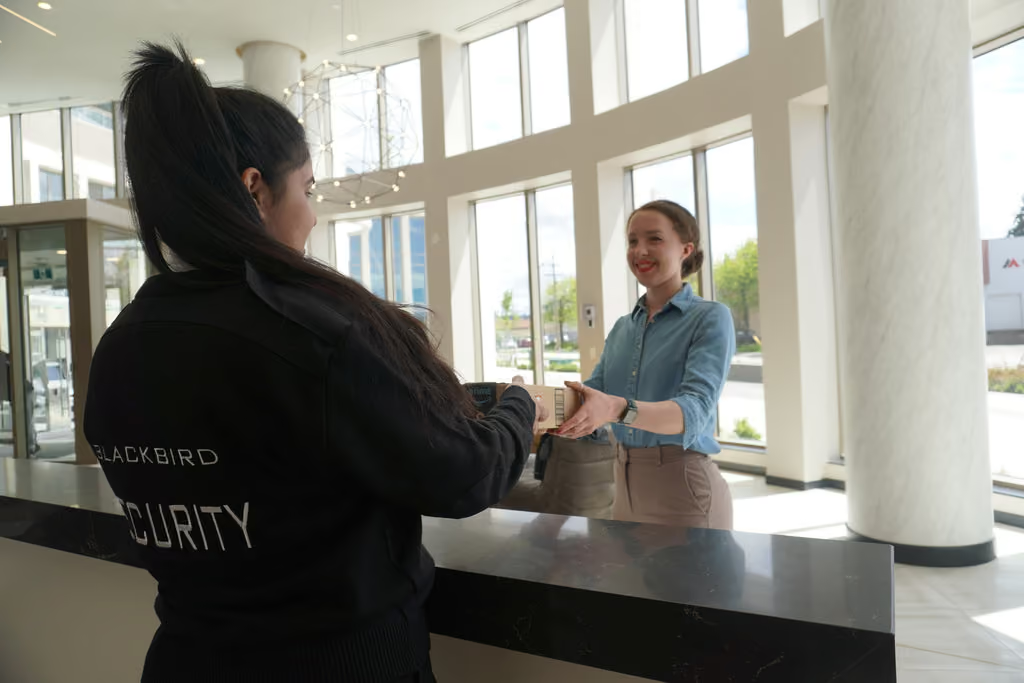
Condo security strategies that don’t clearly outline the roles and duties of a concierge guard, such as greeting visitors, allowing only visitors who have been buzzed into an apartment building to access the elevators, and maintaining visit logs, leave room for inconsistency. Over time, this inconsistency creates confusion for residents and unnecessary stress for property management.
The Fix: Paying Attention to Concierge Security
When the front desk operates with clear structure and consistency, residents feel supported, and the building runs more smoothly.
A well-structured concierge security program includes:
- Clear visitor registration procedures.
- Consistent credential checks for vendors and contractors.
- Defined delivery handling processes.
- Regular communication with management.
The concierge role includes both customer service and security guard duties, and works best when both are clearly defined.
4. Ignoring Amenity and Parkade Oversight
Most condo incidents occur in areas tucked out of view. Parkades, storage lockers, gyms, garbage rooms, and rooftop patios tend to receive less direct supervision. These areas experience regular traffic, but may not have the same consistent presence as the front entrance.
When these areas aren’t watched closely, problems like unauthorized access, loitering, and property damage are more likely. Residents may feel uneasy using shared amenities, which lowers overall satisfaction.
The Fix: Consistent Patrols of the Entire Building
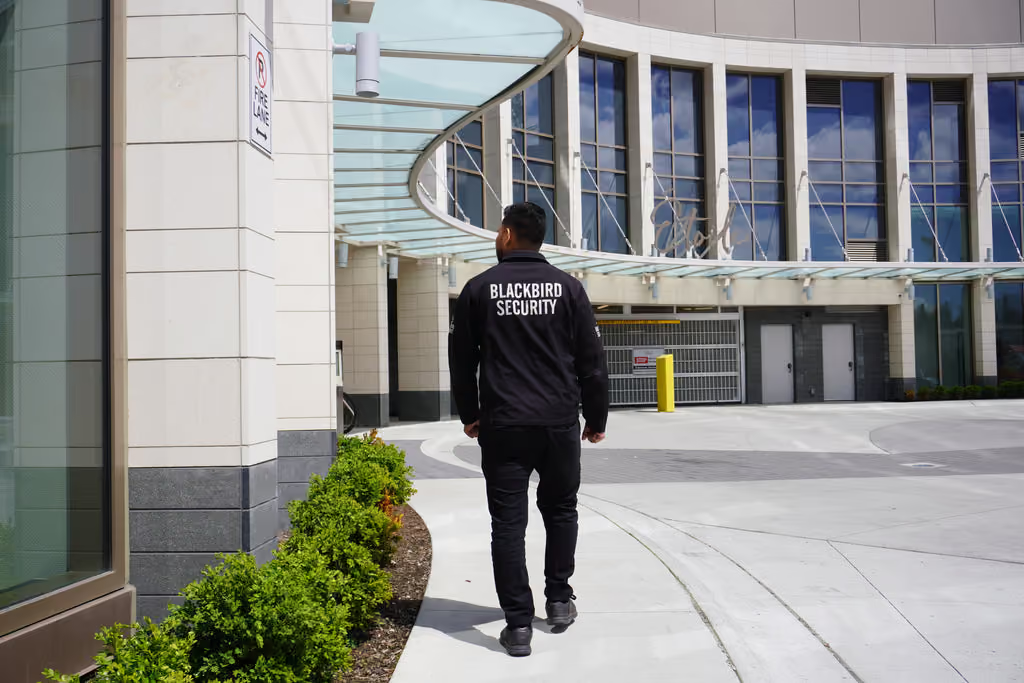
Strong condo security strategies include patrolling all areas of a building to ensure safety and proper use. While on patrol, guards monitor:
- Parkade levels and access doors.
- Storage and mechanical areas.
- Shared amenities.
- Secondary entrances.
- Lighting and signage conditions.
This wider coverage helps keep order throughout the property, not just in the most visible areas.
5. Failing to Adjust as the Building Changes
Condo buildings evolve over time. Depending on your individual condo and residents, delivery volumes might go up, more residents may work from home, and ride-share traffic might grow. Renovations cause temporary access changes, and short-term rental activity can rise or fall based on rules and market trends. When security plans remain the same year after year, they eventually stop aligning with the building’s current needs.
The Fix: Regular Strategic Review
Effective condo security strategies require periodic review. Reviewing can include:
- Assessing incident trends.
- Reviewing patrol timing.
- Evaluating front desk procedures.
- Identifying new access challenges.
- Adjusting staffing levels if necessary.
Condo security works best when it adapts alongside the building. If your building still uses the same patrol schedules and procedures that were created 5 years ago, it’s time for a re-evaluation.
6. Overlooking Communication and Reporting
Security without proper documentation creates blind spots. When incidents are addressed but not reported, it’s harder to spot patterns. On the other hand, inconsistent reporting can prevent property managers from fully understanding what’s happening in the building.
The Fix: Consistent Communication
The best condo security strategies prioritize clear reporting and communication with property managers. This includes:
- Detailed incident summaries.
- Photo and video documentation when appropriate.
- Regular, consistent communication with property managers.
- Real-time reporting.
This transparency supports informed decision-making and long-term improvements from all parties. It also builds trust among residents, management, and the security team.
Partner With Blackbird Security for Condo Security
Condo security is more than the sum of its parts. The best condo security strategies align with the building’s daily activities, outline consistent procedures, and leverage both CCTV cameras and on-site guards. When oversight is tailored, communication is clear, and coverage extends throughout the entire building, residents feel more confident in their residence, property managers gain better visibility into operations, and boards can make decisions based on accurate information.
If your condo’s security strategy falls into any of these common pitfalls, it might be time to see how well it fits current usage and resident needs. Contact us today to find out how a more thorough, communicative approach can improve your residents’ experiences and boost your property’s long-term value.
FAQs About Condo Security
What does a solid condo security strategy include?
A strong condo security strategy includes on-site guard coverage, active access control, consistent patrols of shared areas, CCTV support, and clear reporting procedures. It should reflect how the building operates daily rather than follow a generic checklist.
Are CCTV cameras enough for condo security?
No. While CCTV cameras are important for documentation and investigations, they do not respond to incidents in real time. On-site security guards provide active monitoring, intervention, and resident support that cameras alone cannot offer.
What areas of a condo building need the most security attention?
Beyond the front entrance, parkades, storage lockers, amenities, secondary access doors, and mechanical areas require consistent oversight. These locations often experience regular traffic but less visibility.
How can property managers improve condo security without increasing costs?
Improvement often starts with structure rather than additional staffing. Adjusting patrol timing, clarifying concierge responsibilities, strengthening reporting procedures, and reviewing access control practices can significantly improve condo security without major budget increases.

More Articles
Frequently Asked Questions
Key KPIs to track include:
- Incident response times: Faster responses to alarms or emergencies.
- Reduction in theft/vandalism: Compare loss data before and after implementation.
- Patrol compliance: Track patrol frequency and adherence via GPS or logs.
- False alarm rates: Lower rates ensure focus on real threats.
- Client/Employee satisfaction: Gather feedback to measure confidence in security.
- Client services: Dedicated account representative who supports ongoing needs & can adjust strategy as needed
- Allowing access to our 24/7 Control centre for all clients, which is based out of our head office in Vancouver, BC. Clients can call this centre and have a mobile guard swiftly deployed to their business for any spontaneous incidents that occur. We believe in operating it inhouse to ensure all services are streamlined and optimized for the best communication. Our control canter can be reached at this number for current clients: 1-888-991-2622.
- We have a dedicated client services team which directly communicates with clients on a day-to-day basis. Our client services often perform site check ups and can assist with any issues that arise at your business.
Your peace of mind is our priority. We’re more than a service provider—we’re a partner in protecting your business. With our team working tirelessly to anticipate and resolve challenges, you can focus on running your business with confidence, knowing we’re always here to support you. Together, we build safer environments and stronger partnerships, every step of the way.
Secure Your Operation Today